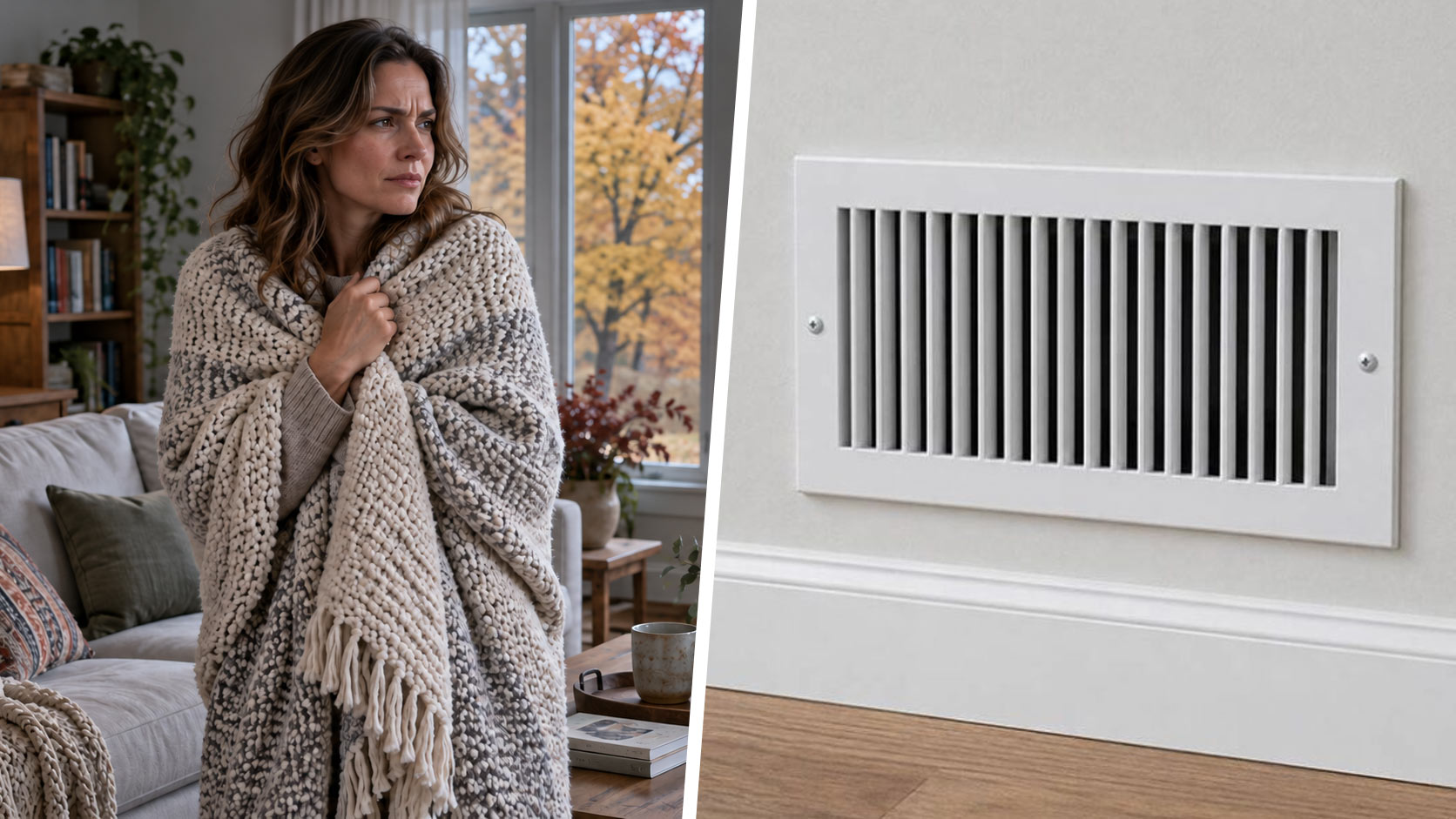
The thermostat says the heat is on, but the air coming from your vents feels cool. Before you assume the furnace needs replacing, a few observations can help you understand what is happening.
A furnace blowing cold air can point to a thermostat setting, restricted airflow or a problem that needs professional repair. For homeowners in Connecticut and Massachusetts, the goal is to identify simple issues without letting a loss of heat turn into a bigger, more expensive winter problem.
Before You Check the Furnace
If you smell gas or a carbon monoxide alarm sounds, leave the house immediately and call 911 from outside. Do not operate electrical switches or try to troubleshoot the equipment, and do not reenter until emergency responders say it is safe. For a heating problem without those warning signs, start with the checks below. Leave burner assemblies, wiring, fuel connections and safety controls to a qualified technician.
Furnace Blowing Cold Air: 7 Things to Check
1. Look at the Thermostat Mode and Fan Setting
Confirm that the thermostat is set to Heat and the target temperature is above the current room temperature. A schedule change or accidental switch to cooling can create an apparent heating problem. Next, check the fan setting. ‘On’ typically keeps the blower running between heating cycles, so you may feel room-temperature air even when the furnace is not producing heat. Try ‘Auto’ for normal operation. If the house reaches the set temperature and the cool airflow stops between cycles, the fan setting may explain the concern.
2.Notice When the Air Feels Cool
A brief cool sensation at startup in the first few minutes is different from cold airflow throughout a heating cycle. Air already sitting in the ductwork may reach the vent before newly heated air does. Observe whether the air becomes warmer and whether the room temperature rises. Avoid judging the entire system from the first few seconds at one register. If the furnace keeps running while the house gets colder, move beyond the assumption that it is simply warming up.
3. Inspect the Air Filter
A clogged filter can restrict airflow enough to overheat the furnace. A safety control may then stop the burners, while the blower continues moving air to help cool the equipment. Turn the system off before checking a homeowner-accessible filter, following the equipment manual. Replace a dirty disposable filter with the specified size and type, and follow the airflow arrow. Never run the furnace without its filter. If the problem continues after replacement, a qualified technician should investigate the airflow and safety controls.
4. Check Supply Vents and Return Grilles
Walk through the house and look for rugs, furniture or storage blocking registers and return grilles. Both the delivery of warm air and the return path matter. Note whether every room feels cool or only one area does. A single uncomfortable room can help a technician narrow the inspection to airflow, ductwork or zoning issues.Do not remove duct sections or reach inside the furnace. Record and document what you notice, and keep accessible grilles clear. Carrier
5. Confirm Fuel Availability
If your home uses heating oil or propane, check the tank gauge if it is safely accessible. Review your last delivery and contact your supplier if the tank appears low or empty. For natural gas, check for a reported service interruption. Avoid adjusting gas valves or attempting to restart fuel-burning equipment repeatedly. Fuel availability is only one part of the diagnosis. Having fuel in the tank does not confirm that the burner is receiving or burning it correctly.
6. Watch for Repeated Startup Attempts
Does the furnace appear to start, stop and try again without maintaining heat? Ignition or flame-sensing problems can prevent the heating cycle from continuing. Write down any error code visible through the viewing window, along with clicking, unusual noises or the timing of shutdowns. Avoid opening the burner compartment to investigate. Repeatedly resetting the system does not fix the underlying fault. Persistent startup failures warrant professional service.
7. Look for Water Around a High-Efficiency Furnace
Condensing furnaces produce water during operation and need a working drainage system. A blocked condensate drain or related fault can prevent normal heating. Look for visible water around the equipment without removing panels or disconnecting tubing. Tell your technician where you see it. Do not bypass a safety switch or pour drain chemicals into furnace tubing. A technician can check the drain, pump and related controls.
What If Your Home Uses a Heat Pump?
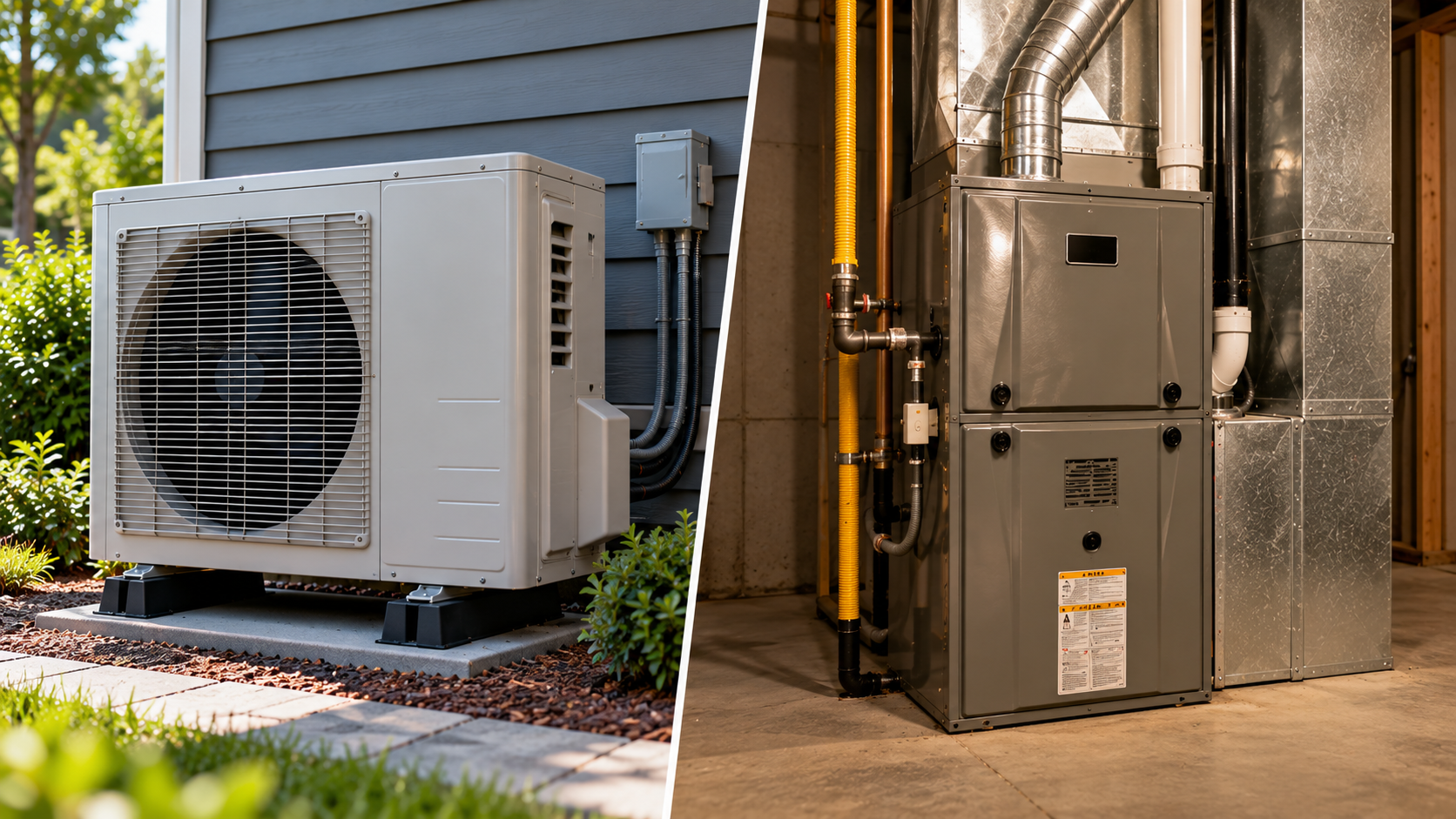
Heat pumps do not operate exactly like fuel-burning furnaces. Their supply air can feel less hot, and a defrost cycle may temporarily change the air temperature. Consider whether the system maintains the thermostat setting. Persistent cold airflow, falling indoor temperatures or ice that does not clear needs attention. If you are unsure which equipment you have, share the model information when requesting service.
When Is It Time to Schedule Heating Repair?
Arrange service if basic checks do not restore heat, the furnace repeatedly shuts down or the indoor temperature continues falling. During freezing weather, do not postpone a no-heat problem.
Have these details ready:
- Furnace type and approximate age, if known
- Thermostat setting and actual indoor temperature
- When the problem started
- Any visible error code
- Whether every room is affected
Get Reliable Heat Back With Stafford Mechanical Services
Still dealing with a furnace blowing cold air? Stafford Mechanical Services provides heating repair for homeowners in Connecticut and Massachusetts.
Contact Stafford Mechanical today to schedule your system service.
Latest News
Low Water Pressure? 7 Causes in CT & MA Homes
A shower that barely rinses the shampoo out is frustrating. When the kitchen faucet slows down too, it is time to find out whether the…
Hot Water Runs Out Fast? Fix the Morning Shower Shuffle
Hot water runs out fast when everyone needs a shower before school and work. The first person gets steam, the second gets lukewarm water and…
Heat Pump vs Furnace: Which Makes Sense Before Winter?
Heat pump vs furnace: If your heating system struggled last winter, September is a good time to compare your options. You have room to consider…