Hot Water Runs Out Fast? Fix the Morning Shower Shuffle
September 28, 2026
Knowledge share by
Collin Hickox
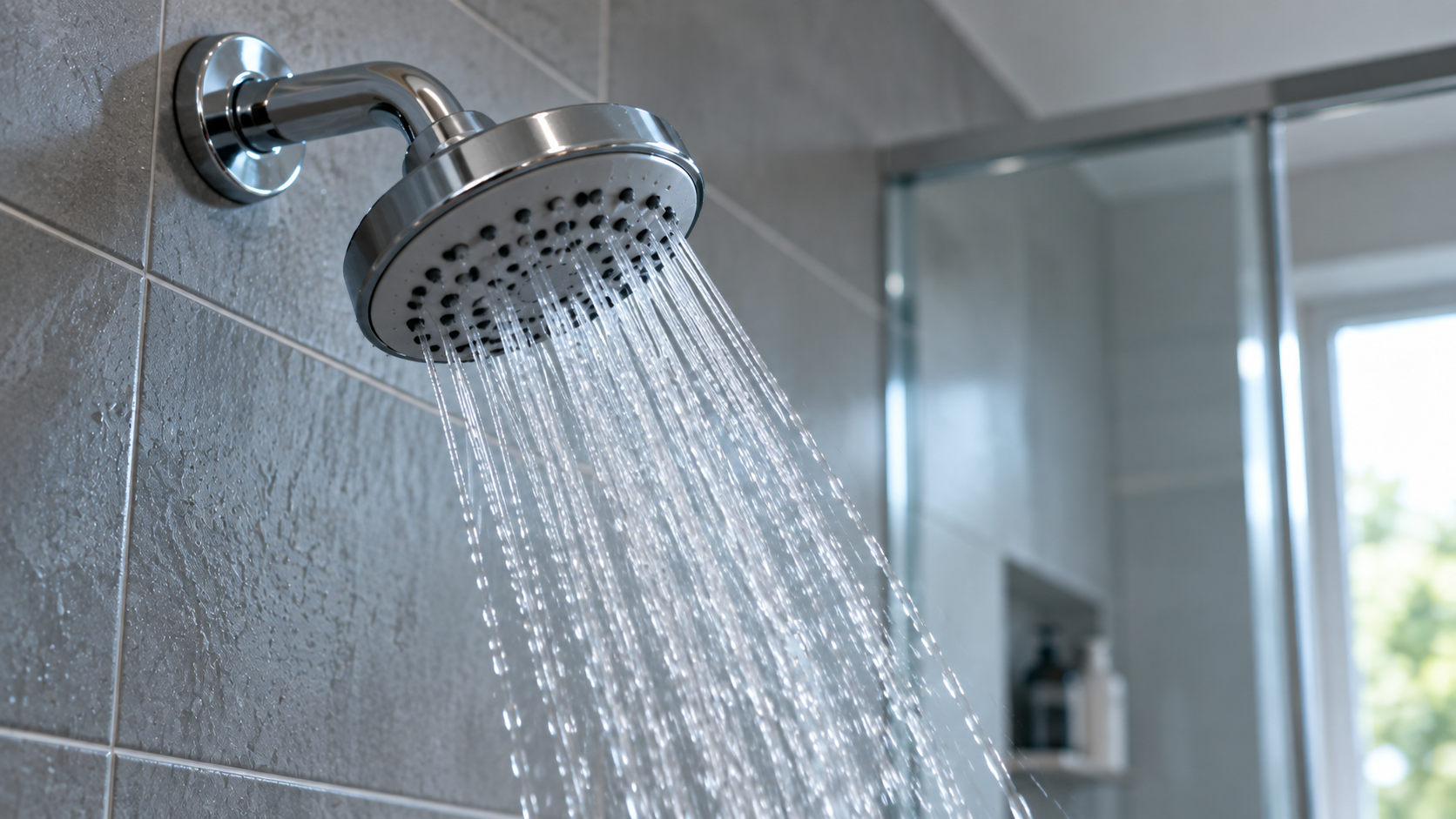
Hot water runs out fast when everyone needs a shower before school and work. The first person gets steam, the second gets lukewarm water and the last person gets an unpleasant start to the day. Fall’s return to busy morning routines can make a hot-water shortage harder to ignore. The cause may be increased demand, a water heater that cannot keep up or a problem that needs professional attention.
Hot water runs out fast: What Is Your Home Telling You?
Start by noticing when the shortage happens. A pattern tied to back-to-back showers suggests a different problem than water suddenly turning cold halfway through the first shower.
Before calling for service, consider these questions:
- Did the problem start suddenly or develop gradually?
- Does it happen only during the morning rush?
- Are showers, laundry and the dishwasher running close together?
- Does every fixture lose hot water, or only one shower?
- Does hot water return after the system has time to recover?
These observations help a plumber narrow down the cause. They can also help distinguish a household demand issue from declining equipment performance.
Why Fall Routines Can Expose a Hot-Water Shortage
Summer schedules may spread showers and household chores throughout the day. When school and work routines resume, the same activities can land within a single busy hour. A storage water heater holds a supply of heated water and replenishes it as water is used. If your household draws hot water faster than the system can replace it, the temperature at the fixtures can drop. That does not automatically mean the water heater is broken. However, a system that previously handled the same routine and now struggles deserves an inspection.
Common Reasons Your Hot Water Does Not Last
Your Household Is Using More Hot Water at Once
Back-to-back showers, longer showers and overlapping appliance use can exhaust the available supply. A growing household or a new showerhead with a higher flow rate may also change demand. Try moving laundry or dishwasher use outside the morning shower window. If that improves the situation, it provides a useful clue about peak demand.
A Heating Element or Thermostat Is Malfunctioning
An electric storage water heater can sometimes produce some hot water even when a heating element has failed. Thermostat problems may also interfere with normal heating. That can leave you with a shower that starts comfortably but turns cold sooner than expected. A plumber can test the components and determine whether a repair is appropriate.
Sediment Is Affecting Performance
Sediment buildup inside a storage water heater can contribute to heating problems. It is one possible explanation for reduced hot-water performance, especially when maintenance history is unclear. Ask a plumber whether maintenance is appropriate for the unit’s age and condition. Insufficient hot water can have several causes, so flushing should not be treated as a guaranteed fix.
An Internal Component Is Allowing Cold Water to Mix Too Soon
A storage water heater’s dip tube directs incoming cold water toward the bottom of the tank. If it is damaged, cold water can mix where it should not and reduce the usable hot-water supply. This is another reason a shortage does not always require replacing the entire water heater. Diagnosis should come before the replacement decision.
What You Can Check Before Calling a Plumber
You do not need to open equipment panels or adjust internal components to gather useful information. A few simple observations can make the service visit more productive.
- Separate competing uses. Try showers without the dishwasher or washing machine running.
- Compare fixtures. Note whether another sink still has hot water when the shower becomes cold.
- Record the pattern. Estimate how long hot water lasts and how long it takes to return.
- Identify the equipment. Photograph the model label and note any displayed error message.
- Look for visible leaks. Report moisture around the unit or nearby connections.
If the problem is isolated to one shower, tell the plumber before assuming the water heater needs replacement. Avoid removing access panels or attempting electrical, burner or gas-control repairs yourself.
Repair or Replace? Start With Performance and Condition
When Repair May Be Worth Considering
A repair may make sense when a specific component has failed and the rest of the water heater is in sound condition. The unit should also be capable of meeting your household’s normal demand once repaired. Ask for an explanation of the failure, the repair cost and any remaining warranty coverage. That gives you a clearer basis for the decision.
When Replacement Deserves a Closer Look
Replacement may be worth discussing when the tank itself is leaking, problems keep returning or the system no longer meets household demand. A larger tank is not automatically the best answer. For storage models, compare the first-hour rating, which describes how much hot water a fully heated unit can supply during the first hour of use. This accounts for both stored water and the unit’s ability to heat incoming water.
Would a Tankless Water Heater Solve the Problem?
A tankless water heater heats water as it flows through the unit, so it does not deplete a stored tank. However, it still has limits on how much hot water it can deliver at once. Sizing must account for simultaneous fixture use and the temperature increase needed to heat incoming water. Ask a plumber to evaluate your busiest morning demand before deciding whether tankless equipment is the right fit.
Get Reliable Hot Water Before the Next Morning Rush
You should not have to plan every morning around who gets the last warm shower. Finding the cause can help you choose between a targeted repair, a maintenance visit or a replacement sized for your household.
Stafford Mechanical Services serves homeowners across north central Connecticut and central Massachusetts with plumbing and water-heater needs. Contact Stafford Mechanical Services today to schedule a water-heater inspection and get help putting an end to the morning shower shuffle.
Latest News
Heat Pump vs Furnace: Which Makes Sense Before Winter?
Heat pump vs furnace: If your heating system struggled last winter, September is a good time to compare your options. You have room to consider…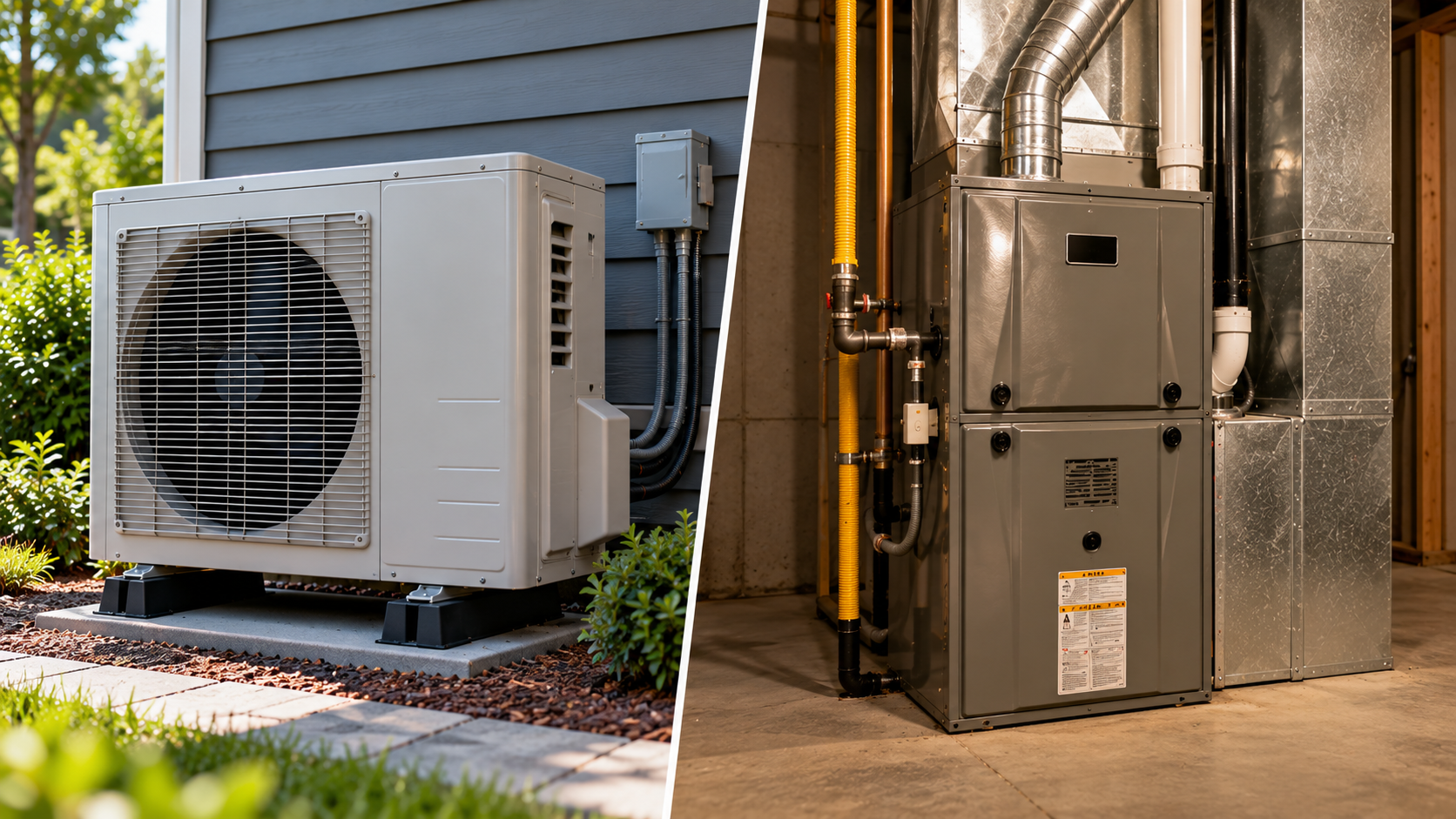
End-of-Summer AC Maintenance Checklist
End-of-summer AC maintenance gives homeowners an opportunity to check their cooling systems after months of demanding work. Even if your air conditioner made it through…
Sewer Backup After Heavy Rain? Here’s What to Do Next
A sewer backup after heavy rain can quickly turn a wet-weather inconvenience into a serious property and health concern. When wastewater enters a basement, shower,…