How to Prep Your AC for a Humid New England Summer
May 29, 2026
Knowledge share by
Collin Hickox

Knowing how to prep your AC is essential when you live in Northern Connecticut or Western Massachusetts. New England summers bring a unique combination of high heat and heavy humidity that forces your cooling system to work exceptionally hard. Taking the right steps in May ensures your home remains a comfortable refuge when the July heatwaves arrive.
Homeowners who ignore regular system maintenance often face unexpected breakdowns during the hottest weeks of the year. You can avoid expensive emergency repairs and keep your energy bills stable by taking a proactive approach today. We put together this comprehensive guide to help you get your system in peak condition.
Start with a Fresh Air Filter
The easiest way to prep your AC involves checking and replacing your indoor air filter. Air filters trap dust, pollen and pet dander before they enter your ductwork. A clogged filter restricts airflow and forces your blower motor to work harder than necessary. This extra strain leads to higher electricity bills and potential equipment failure.
You should replace standard one-inch fiberglass filters every thirty days during the cooling season. If you use thicker pleated filters or have multiple pets in the home, you might need to check them even more frequently. Upgrading to a filter with a higher MERV rating can improve your indoor air quality by capturing microscopic particles. Just ensure your specific HVAC system can handle the increased airflow resistance of a high-efficiency filter.
Clear the Outdoor Condenser Unit
Your outdoor condenser unit needs plenty of space to release the heat it pulls from your home. Over the winter and early spring, leaves, twigs and overgrown shrubs often accumulate around the base of the unit. This debris chokes off the airflow and severely reduces the cooling capacity of your system.
Walk outside and inspect the perimeter of your condenser. You need to clear away any dead vegetation and trim back nearby bushes. We recommend leaving at least two feet of unobstructed clearance on all sides of the unit. You can also use a garden hose on a gentle setting to wash away surface dirt from the metal fins. Never use a high-pressure power washer because the forceful water stream can bend the delicate aluminum fins and ruin the equipment.
Test Your Thermostat Before the Heat Arrives
You need to test your thermostat before you actually rely on it for daily comfort. Switch the system setting from heat to cool and lower the target temperature a few degrees below the current room temperature. You should hear the system click on and feel cold air blowing from your vents within a few minutes.
If the air feels lukewarm or the system refuses to turn on, you have a problem that requires immediate attention. Early testing gives you plenty of time to schedule a repair before local HVAC technicians get booked up for the summer. Consider upgrading to a smart thermostat if you still use an older manual model. Smart thermostats allow you to create custom cooling schedules and monitor your home temperature directly from your smartphone.
Inspect Your Indoor Vents and Registers
Proper airflow relies on a clear path from your equipment to your living spaces. Take a walk through every room in your house and inspect the supply and return vents. You must ensure that heavy furniture, rugs and long curtains do not block the grilles.
Closing vents in unused rooms might seem like a smart way to save energy but it actually harms your central air system. Modern HVAC systems are carefully balanced to distribute a specific volume of air throughout the house. Closing too many vents increases the static pressure inside your ductwork. This pressure buildup can cause your indoor evaporator coil to freeze solid and damage your compressor, even in the summer time. Keep all vents open to maintain proper system balance.
Why You Need a Professional to Prep Your AC
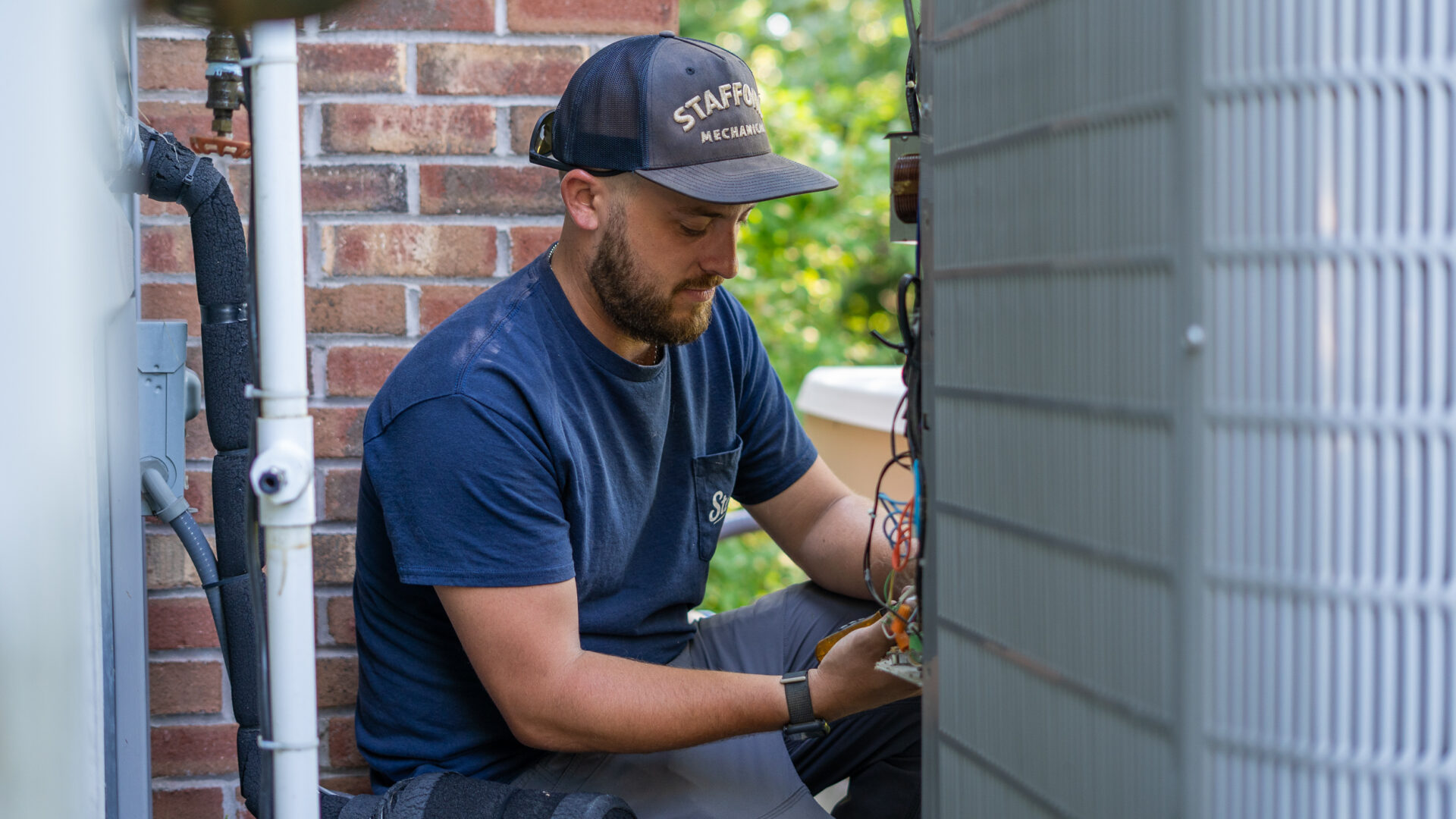
DIY maintenance goes a long way but modern cooling systems require specialized professional care. A certified technician from Stafford Mechanical Services will perform a deep inspection that goes far beyond a simple filter change. We check the electrical connections, measure the motor voltage and clean the hidden evaporator coils inside your air handler.
Our technicians also verify your system has the correct refrigerant charge. A system running low on refrigerant will struggle to remove humidity from the air and leave your home feeling sticky. Handling refrigerant requires specialized training and EPA certification. Trusting our experienced team guarantees your system operates safely, efficiently and reliably all summer long.
Contact Stafford Mechanical Services today to schedule your comprehensive spring tune-up. Taking action now gives you total peace of mind before the intense New England humidity settles in.
Latest News
Hot Water Runs Out Fast? Fix the Morning Shower Shuffle
Hot water runs out fast when everyone needs a shower before school and work. The first person gets steam, the second gets lukewarm water and…
Heat Pump vs Furnace: Which Makes Sense Before Winter?
Heat pump vs furnace: If your heating system struggled last winter, September is a good time to compare your options. You have room to consider…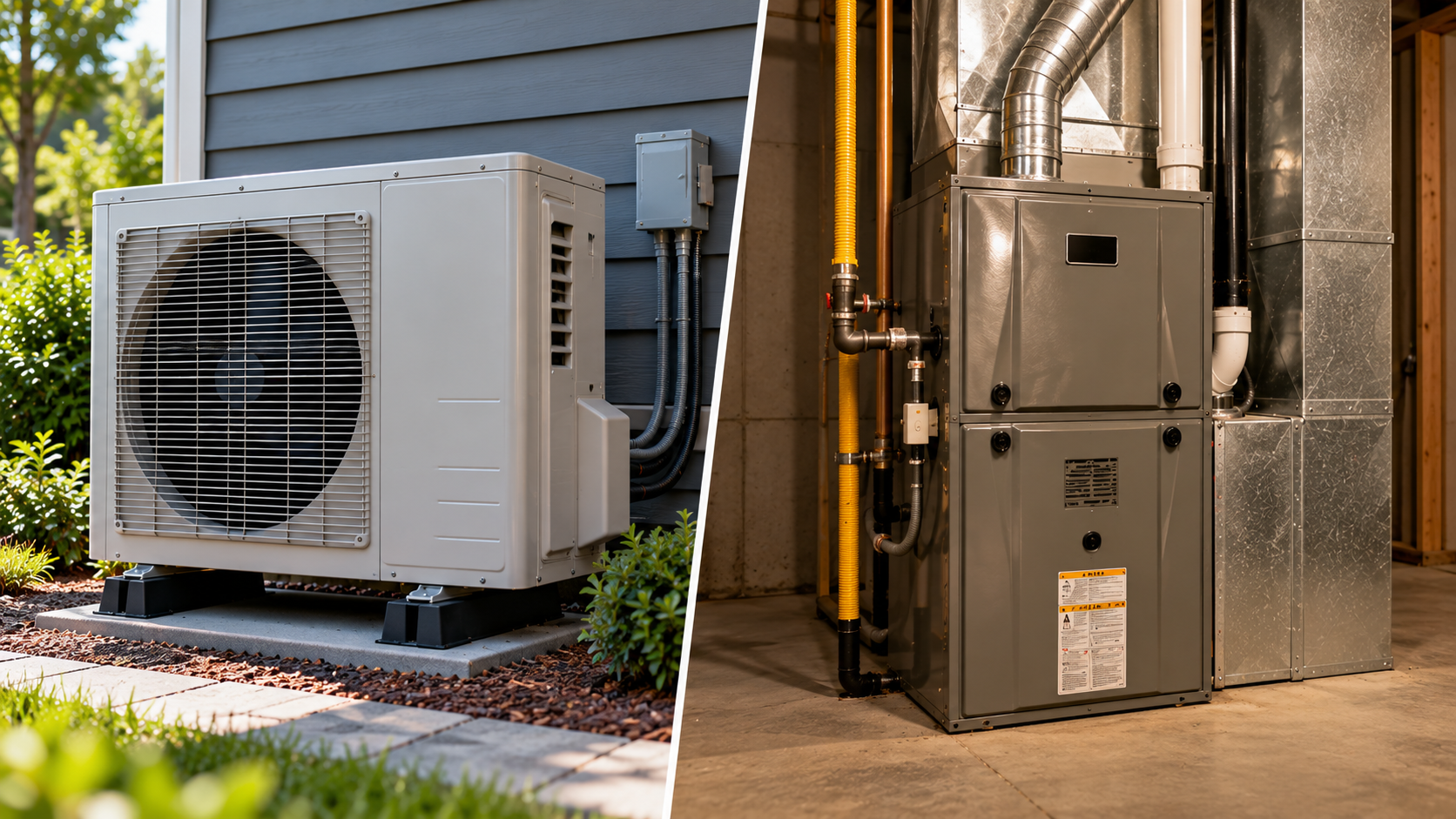
End-of-Summer AC Maintenance Checklist
End-of-summer AC maintenance gives homeowners an opportunity to check their cooling systems after months of demanding work. Even if your air conditioner made it through…