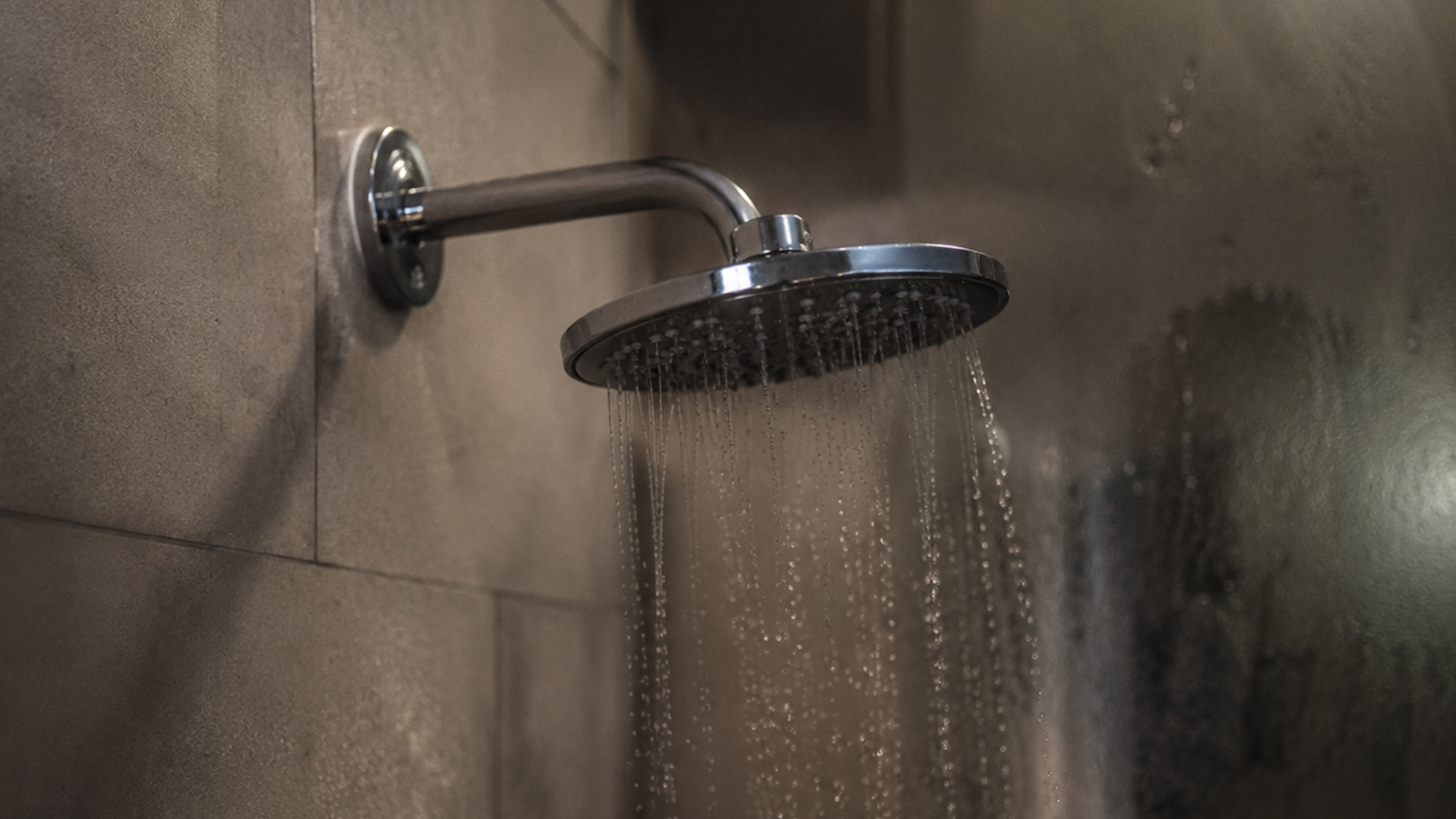
Low water pressure is one of the most common plumbing complaints homeowners experience. Whether you’re taking a shower, washing dishes or filling a pot at the kitchen sink, weak water flow can quickly become frustrating. More importantly, low water pressure may be a sign that something within your plumbing system needs attention.
The good news is that not every pressure issue requires a major repair. Some causes are simple and inexpensive to fix, while others require a professional diagnosis to prevent more significant plumbing problems down the road.
Understanding the most common causes of low water pressure can help you determine when it’s safe to troubleshoot on your own and when it’s time to call a licensed plumber.
Common Causes of Low Water Pressure
If you’ve noticed low water pressure throughout your home, the first step is determining whether the issue affects your entire plumbing system or just one fixture.
Ask yourself a few questions:
- Is every faucet experiencing weak water flow?
- Does the problem affect both hot and cold water?
- Did the pressure decrease suddenly or gradually?
- Is the issue constant or only noticeable during certain times of the day?
The answers can provide valuable clues and help narrow down the source of the problem.
Clogged Faucet Aerators
If you’re experiencing low water pressure at only one sink, the issue may be much simpler than you think.
Most faucets have a small screen called an aerator attached to the end of the spout. Over time, mineral deposits, sediment and debris can collect inside the screen, restricting water flow.
Cleaning or replacing the aerator often restores normal pressure in just a few minutes.
Mineral Buildup Inside Pipes
Homes with hard water are more susceptible to mineral buildup inside plumbing pipes. As calcium and magnesium accumulate over the years, they reduce the inside diameter of the pipe. Less space inside the pipe means less water can flow through it, resulting in low water pressure throughout the home. This issue develops gradually, so homeowners often don’t notice the change until water flow has significantly decreased. Older homes with galvanized steel pipes are particularly vulnerable because corrosion can further restrict water flow.
A Faulty Pressure Regulator
Many homes have a pressure reducing valve, commonly called a pressure regulator, installed where the main water line enters the home. Its job is to maintain safe, consistent water pressure throughout your plumbing system. When the regulator begins to fail, one of the most common symptoms is low water pressure affecting every fixture in the house. Fortunately, a licensed plumber can test your home’s water pressure and determine whether the regulator needs adjustment or replacement.
Hidden Plumbing Leaks
Not every plumbing leak is easy to spot.
Leaks behind walls, beneath concrete slabs or underground can reduce the amount of water reaching your fixtures while wasting hundreds of gallons of water over time.
In addition to low water pressure, hidden leaks often cause:
- Unexplained increases in your water bill
- Damp drywall or flooring
- Mold or mildew growth
- Wet spots in the yard
- The sound of running water when no fixtures are in use
Because hidden leaks can damage your home’s structure, they should be addressed as soon as possible.
Water Heater Problems
If you’re only experiencing low water pressure when using hot water, your water heater may be contributing to the problem. Sediment naturally settles at the bottom of a traditional water heater over time. Excessive buildup can restrict water flow and reduce hot water performance. In some cases, aging hot water pipes may also be limiting water flow. A plumbing inspection can determine whether the issue is related to the water heater, the piping or another component of the system.
Partially Closed Water Valves
This is one of the simplest causes of low water pressure, yet it’s often overlooked.
If your home’s main shutoff valve or water meter valve was partially closed during previous plumbing work, it can significantly reduce water flow throughout the house. A plumber can quickly inspect these valves and verify they’re fully open.
Municipal Water Supply Issues
Sometimes the issue isn’t inside your home at all.
Water utilities periodically perform maintenance, repair water mains and flush fire hydrants. During these projects, homeowners may temporarily experience low water pressure.
If your neighbors are experiencing the same issue, it’s worth checking with your local water department before assuming there’s a plumbing problem inside your home.
Aging Plumbing Systems
Like any part of your home, plumbing systems wear out over time. Corrosion, aging pipes and years of mineral buildup can all contribute to low water pressure.
In some cases, replacing sections of deteriorated plumbing can dramatically improve water flow while reducing the likelihood of future leaks. While a full repipe isn’t common, targeted pipe replacement may be recommended if specific sections of your plumbing have become heavily restricted.
How to Fix Low Water Pressure
The right solution depends on what’s causing the problem.
Simple issues like clogged aerators can often be handled by homeowners. More complex problems, including hidden leaks, failing pressure regulators or deteriorating pipes, require specialized tools and experience to diagnose correctly.
Rather than replacing parts based on guesswork, it’s important to identify the root cause of low water pressure before making repairs.
When Should You Call a Plumber?
It’s time to schedule a professional inspection if:
- Every faucet has low water pressure.
- The problem appeared suddenly.
- Your water pressure continues getting worse.
- You suspect a hidden plumbing leak.
- Your water has become discolored.
- Your water bill has increased unexpectedly.
A licensed plumber can perform pressure testing, inspect your plumbing system and identify the source of the problem before it leads to more costly repairs.
Protect Your Plumbing System
Routine plumbing maintenance is one of the best ways to prevent unexpected problems.
Periodic inspections can identify developing leaks, aging components and pressure issues before they become major repairs. If your home has hard water, installing a water treatment system may also help reduce mineral buildup and extend the life of your plumbing system and water-using appliances.
Maintaining your plumbing today can help prevent low water pressure and other costly issues in the future.
Restore Reliable Water Pressure
Experiencing low water pressure doesn’t always mean you have a serious plumbing problem, but it does mean your plumbing system deserves attention. Identifying the cause early can help prevent additional damage, improve your home’s comfort and restore the reliable water flow you depend on every day.
If you’re experiencing low water pressure, the experienced plumbing team at Stafford Mechanical Services is here to help. We’ll identify the source of the problem, explain your options and recommend the right solution to restore your plumbing system’s performance. Whether the issue is a hidden leak, a faulty pressure regulator, aging pipes or something else entirely, you can count on our team to provide honest recommendations and quality workmanship.
Latest News
Hot Water Runs Out Fast? Fix the Morning Shower Shuffle
Hot water runs out fast when everyone needs a shower before school and work. The first person gets steam, the second gets lukewarm water and…
Heat Pump vs Furnace: Which Makes Sense Before Winter?
Heat pump vs furnace: If your heating system struggled last winter, September is a good time to compare your options. You have room to consider…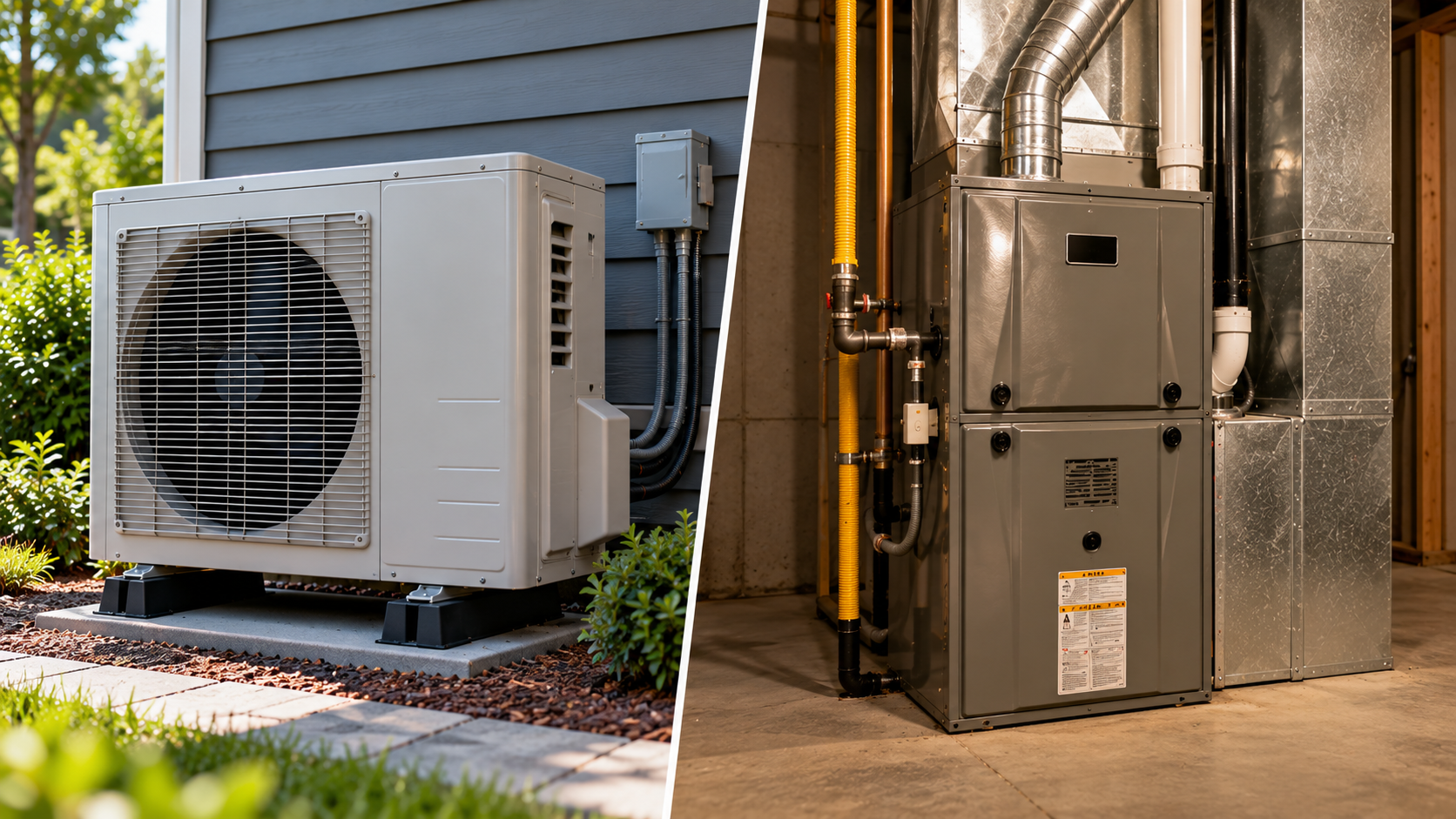
End-of-Summer AC Maintenance Checklist
End-of-summer AC maintenance gives homeowners an opportunity to check their cooling systems after months of demanding work. Even if your air conditioner made it through…