What Is Hard Water and How Does It Affect Your Home?
June 19, 2026
Knowledge share by
Collin Hickox
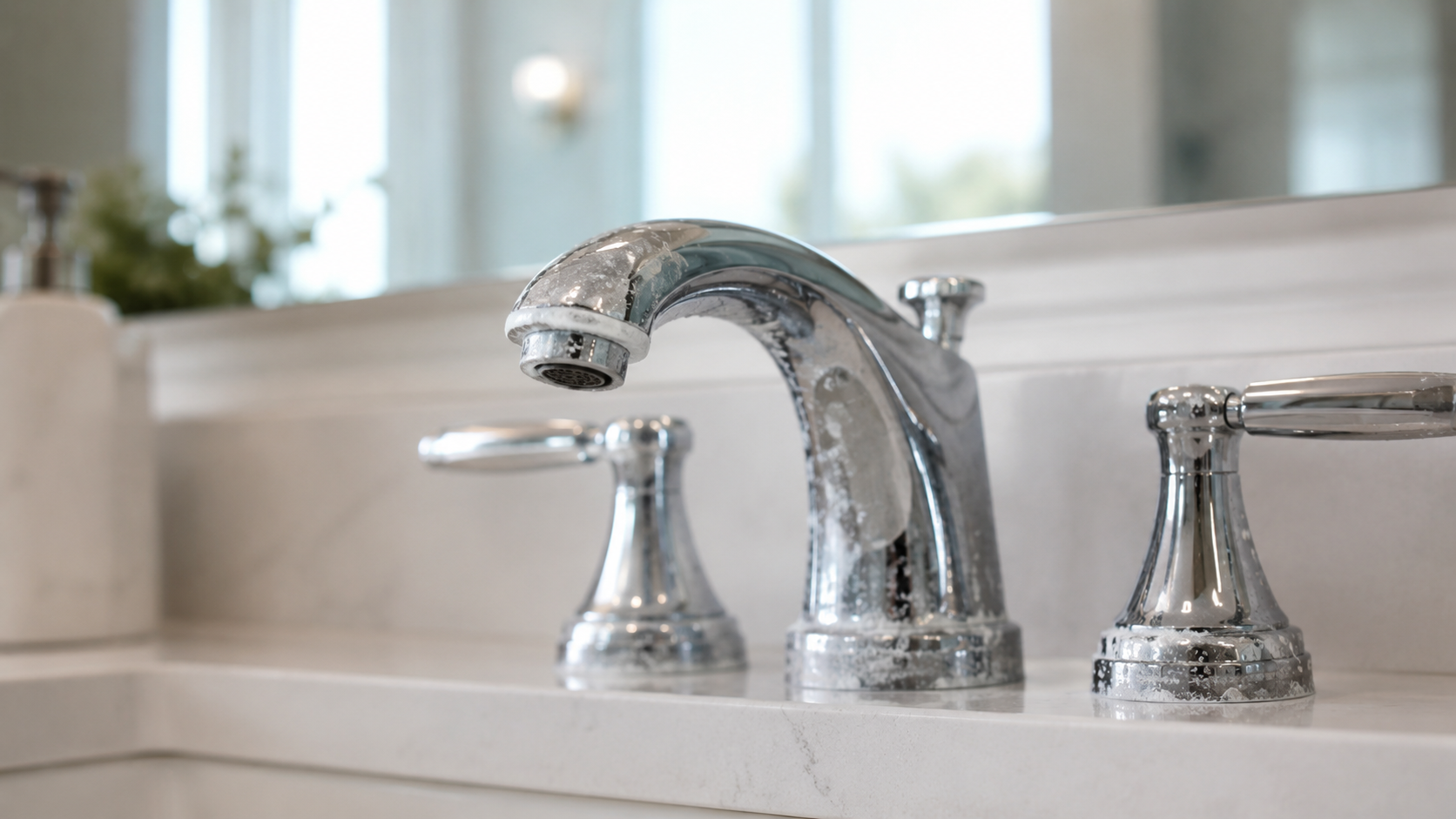
Hard water is a common issue in homes throughout Massachusetts and Connecticut, yet many homeowners don’t realize the impact it can have on their plumbing system, appliances and overall comfort. If you’ve noticed white buildup on faucets, spots on dishes or a decline in your water heater’s performance, hard water may be to blame.
While hard water is generally safe to drink, it can create a variety of problems throughout your home over time. Understanding what causes hard water, how it affects your plumbing and what solutions are available can help you protect your investment and avoid unnecessary repairs.
At Stafford Mechanical Services, we help homeowners identify water quality issues and recommend solutions that improve performance, efficiency and long-term reliability.
What Is Hard Water?
Hard water contains elevated levels of dissolved minerals, primarily calcium and magnesium.
As water travels through soil and underground rock formations, it naturally absorbs these minerals. The higher the concentration of calcium and magnesium, the harder the water becomes.
Water quality can vary significantly depending on the source of your water and your geographic location. In many areas throughout New England, hard water is a common concern for homeowners.
Although these minerals do not pose a health risk, they can create ongoing challenges for plumbing systems and water-using appliances.
Common Signs of Hard Water
Many homeowners live with hard water for years without realizing it.
Some of the most common signs include:
- White, chalky residue on faucets and fixtures
- Spots on dishes and glassware after washing
- Soap that doesn’t lather easily
- Dry or itchy skin after showering
- Dull or brittle hair
- Stiff laundry after washing
- Reduced water pressure
- Frequent appliance maintenance issues
These symptoms often develop gradually, making them easy to overlook until they become more noticeable.
If several of these signs sound familiar, hard water could be affecting your home.
How Hard Water Impacts Your Plumbing
One of the biggest concerns associated with hard water is mineral scale buildup inside plumbing pipes.
Each time water moves through your plumbing system, small amounts of calcium and magnesium can remain behind. Over time, these minerals accumulate on the interior walls of pipes and fixtures.
As the buildup grows, it can restrict water flow and reduce overall system efficiency.
This can lead to:
- Lower water pressure
- Reduced fixture performance
- Increased strain on plumbing components
- Greater risk of blockages
- Higher maintenance costs
Because scale develops slowly, many homeowners don’t recognize the issue until water flow becomes noticeably reduced.
Why Hard Water Is Tough on Water Heaters
Your water heater is often one of the first appliances to experience the effects of hard water.
When water is heated, dissolved minerals separate more easily and settle inside the tank or on heating elements. Over time, this mineral accumulation creates a layer of sediment that reduces the system’s ability to transfer heat efficiently.
As a result, your water heater must work harder to produce the same amount of hot water.
This can cause:
- Increased energy consumption
- Longer heating cycles
- Reduced hot water availability
- Premature wear and tear
- Shorter equipment lifespan
For homeowners looking to maximize the life of their water heater, addressing hard water can make a significant difference.
The Effect on Household Appliances
Hard water doesn’t just impact plumbing and water heaters.
Appliances that rely on water can also suffer from mineral buildup over time.
This includes:
- Dishwashers
- Washing machines
- Ice makers
- Coffee makers
- Tankless water heaters
As scale accumulates inside these appliances, efficiency decreases and maintenance needs often increase.
Even a thin layer of mineral deposits can reduce performance and force equipment to work harder than necessary.
Over time, this can lead to more frequent repairs and earlier replacement.
Why Cleaning Becomes More Difficult
Another frustrating effect of hard water involves everyday cleaning.
The minerals found in hard water interfere with soap’s ability to dissolve and rinse away properly. As a result, homeowners often find themselves using more soap, detergent and cleaning products to achieve satisfactory results.
Hard water can leave behind:
- Water spots on glass surfaces
- Soap scum in showers and tubs
- Residue on dishes
- Streaks on fixtures
Laundry can also feel rougher and appear less vibrant after repeated washing in hard water.
These issues may seem cosmetic, but they often contribute to higher household costs over time.
Hard Water and Personal Comfort
Many homeowners first become concerned about hard water because of how it affects their skin and hair.
The mineral content in hard water can make it more difficult to completely rinse away soap and shampoo. This may leave behind residue that contributes to dryness and irritation.
Some people notice:
- Dry skin
- Itchy skin
- Hair that feels dull or difficult to manage
- Reduced effectiveness of soaps and shampoos
While hard water is not harmful, reducing mineral levels can improve overall comfort for many households.
How a Water Softener Can Help
The most common solution for hard water is a water softener system.
Water softeners remove calcium and magnesium through a process called ion exchange. As water passes through the system, hardness minerals are replaced with sodium or potassium ions.
This process helps prevent scale buildup and improves water quality throughout the home.
Benefits of a water softener may include:
- Reduced mineral deposits
- Improved water heater efficiency
- Longer appliance lifespan
- Better plumbing performance
- Softer laundry
- Cleaner dishes and fixtures
- Improved soap and detergent performance
For many homeowners, installing a water softener can help reduce maintenance costs and protect valuable plumbing equipment.
Should You Test Your Water?
If you suspect hard water may be affecting your home, professional water testing is the best place to start.
A water quality evaluation can determine the level of hardness present and identify whether treatment would be beneficial.
Because every home’s plumbing system and water supply are different, testing provides the information needed to recommend the most effective solution.
Trust Stafford Mechanical for Hard Water Solutions
Understanding hard water and its impact on your home can help you avoid costly repairs and improve the performance of your plumbing system.
Whether you’re noticing mineral buildup, reduced water pressure, appliance issues or concerns about water quality, Stafford Mechanical Services can help.
Our experienced plumbing professionals can evaluate and identify potential problems and recommend solutions that protect your home and improve long-term efficiency.
Contact Stafford Mechanical today to learn more about plumbing solutions designed to keep your home’s water system performing at its best.
Latest News
Hot Water Runs Out Fast? Fix the Morning Shower Shuffle
Hot water runs out fast when everyone needs a shower before school and work. The first person gets steam, the second gets lukewarm water and…
Heat Pump vs Furnace: Which Makes Sense Before Winter?
Heat pump vs furnace: If your heating system struggled last winter, September is a good time to compare your options. You have room to consider…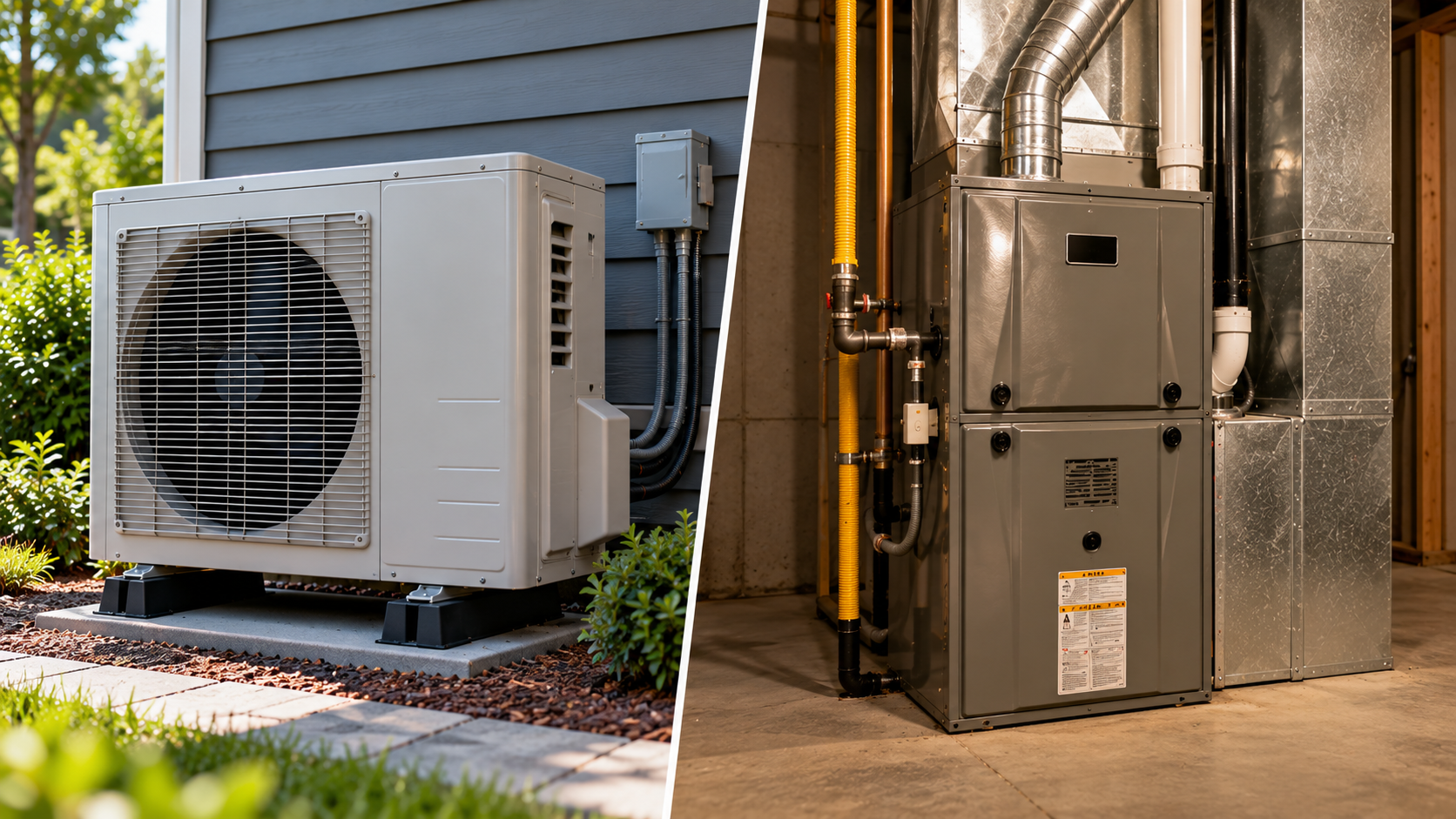
End-of-Summer AC Maintenance Checklist
End-of-summer AC maintenance gives homeowners an opportunity to check their cooling systems after months of demanding work. Even if your air conditioner made it through…