Mass Save Heat Pump Program: Rebates That Could Save You Thousands
March 24, 2026
Knowledge share by
Collin Hickox
Understanding the Mass Save Heat Pump Program
The Mass Save heat pump program offers valuable rebates and incentives designed to make energy-efficient heating and cooling systems more accessible for Massachusetts homeowners, providing qualified homeowners with the opportunity to save thousands of dollars on new installs or replacements. Through this initiative, the Mass Save heat pump program can significantly reduce the cost of installing modern heat pump systems that provide reliable comfort year-round.
For many property owners, understanding how the program works and how to qualify for the available incentives can open the door to meaningful savings. This guide explains how heat pumps work, what incentives may be available, and what steps homeowners should take when considering an installation.
What Is a Heat Pump and How Does It Work?
Heat pumps are highly efficient systems that provide both heating and cooling using electricity. Instead of generating heat like a traditional furnace or boiler, a heat pump transfers heat from one place to another.
During colder months, a heat pump extracts heat from the outdoor air and moves it inside your home. In warmer months, the system reverses direction, removing heat from your home to provide cooling. Because this process moves heat rather than producing it, heat pumps can operate much more efficiently than many traditional heating systems.
The efficiency benefits are one of the main reasons the Mass Save heat pump program encourages homeowners to adopt this technology.
Common heat pump systems include:
- Air-source heat pumps that distribute heated or cooled air through ductwork
- Ductless mini-split heat pumps that provide targeted heating and cooling in specific rooms
- Central heat pump systems designed to replace or supplement traditional HVAC systems
- Each system type has advantages depending on the structure and needs of the home
Why Massachusetts Is Promoting Heat Pump Technology
The Mass Save heat pump program is part of a statewide effort to improve energy efficiency and reduce reliance on fossil fuels. Heating systems account for a large portion of residential energy use in Massachusetts, particularly during the winter months.
Encouraging the use of electric heat pump technology helps achieve several important goals. These include reducing overall energy consumption, lowering greenhouse gas emissions, improving home comfort, and helping homeowners reduce long-term energy costs.
Heat pumps have improved significantly in recent years and are designed to perform effectively even in colder climates like New England. As a result, more homeowners are exploring the benefits offered through the Mass Save heat pump program.
Rebates Available Through the Mass Save Heat Pump Program
One of the most appealing aspects of the Mass Save heat pump program is the opportunity for homeowners to receive substantial financial rebates when installing qualifying systems.
While rebatescan varyover time, the program typically offers rebates that may help offset a significant portion of the installation cost, potentially saving qualified homeowners thousands of dollars.
Heat Pump Installation Rebates
Homeowners installing qualifying high-efficiency heat pump systems may be eligible for rebates through the Mass Save heat pump program. The rebate amount often depends on system size, system type, and whether the heat pump will serve as the primary heating source for the home.
Whole-Home Heat Pump Incentives
Some homeowners may qualify for larger rebates if they fully transition from fossil-fuel heating systems to heat pumps as their primary heating solution.
Low Interest Financing
The Mass Save HEAT Loan program may allow homeowners to finance qualifying energy efficiency upgrades with low or 0% interest loans, helping spread the cost of installation over time.
Home Energy Assessments
Before participating in the Mass Save heat pump program, homeowners are typically encouraged to complete a no-cost home energy assessment. These evaluations help determine which improvements will provide the greatest efficiency gains and ensure that a heat pump system performs as intended.
Steps to Take Before Installing a Heat Pump
While the Mass Save heat pump program provides strong incentives, there are several steps homeowners should follow to ensure they qualify for available rebates.
Schedule a Home Energy Assessment
Most homeowners begin by scheduling a Mass Save home energy assessment. During this visit, energy specialists evaluate insulation levels, air leakage, and existing heating systems to identify opportunities for improved efficiency.
Review Recommended Efficiency Improvements
In some cases, homeowners may be advised to complete insulation upgrades or air sealing improvements before installing a heat pump. These improvements can enhance system performance and maximize energy savings.
Work With a Qualified Contractor
To qualify for rebates through the Mass Save heat pump program, installations generally must be completed by contractors who meet the program’s participation requirements.
Choose the Right System for Your Home
Every property has unique heating and cooling needs. Factors such as square footage, insulation levels, existing ductwork, and electrical capacity all influence the most appropriate heat pump solution.
Working with an experienced HVAC contractor, like Stafford Mechanical, helps ensure the system is properly sized and designed for the home.
Are Heat Pumps a Good Fit for Every Home?
While the Mass Save heat pump program makes installation more affordable, heat pumps are not necessarily a one-size-fits-all solution. Some homes benefit from using a heat pump as the primary heating system, while others use it alongside an existing boiler or furnace.
Several factors influence this decision, including the condition of the current heating system, the level of insulation in the home, electrical capacity, and overall heating demand.
A professional evaluation can help determine whether a full heat pump conversion or a hybrid system would be the most effective approach.
Working With a Trusted Contractor
Programs like the Mass Save heat pump program offer valuable opportunities for homeowners to upgrade their heating systems and reduce long-term energy costs. However, navigating incentive requirements, system options, and installation details can sometimes feel complex.
Working with a knowledgeable, Mass Save approved contractor like Stafford Mechanical Services can simplify the process by ensuring proper system design, compliance with program requirements, and accurate rebate documentation. An experienced contractor can also help ensure the system delivers reliable performance and long-term efficiency.
Need Help Navigating the Mass Save Heat Pump Program?
The Mass Save heat pump program can offer significant savings, but understanding system options, rebate requirements, and installation considerations can sometimes feel overwhelming.
Stafford Mechanical Services works with homeowners across Massachusetts to help evaluate heating system options, and guide customers through the rebate and incentive process. From system selection to installation and documentation, our team can help ensure you get the most value from available programs.
If you’re considering upgrading your heating and cooling system, the Stafford Mechanical team is here to help. Contact Stafford Mechanical Services today (contact information below) to learn more about heat pump installation options and how you can take advantage of savings available through the Mass Save heat pump program.
Contact Stafford Mechanical Today.
Latest News
Spring HVAC Maintenance: Why Commercial Properties Should Prepare Now
Why Spring HVAC Maintenance Matters for Commercial Buildings Spring HVAC maintenance is one of the most important steps commercial property owners and facility managers can…
Commercial Heating Repair in CT: A Guide for Property Owners and Facility Managers
Commercial heating repair in CT becomes a top priority when freezing temperatures hit. If your building loses heat, commercial heating repair in CT is not…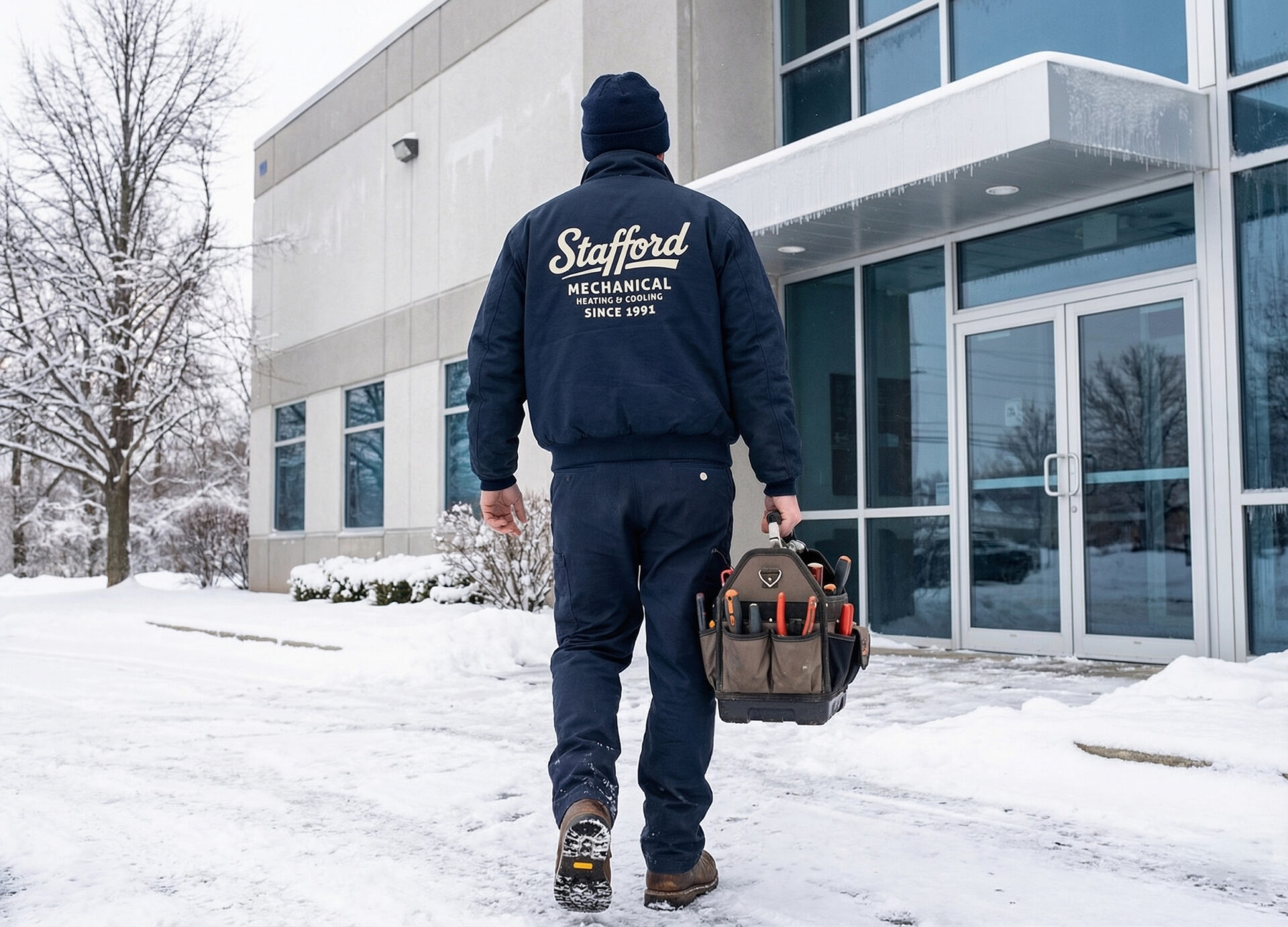
Commercial Boiler Repair: What Property Owners Need to Know
A commercial boiler repair becomes urgent fast when your building loses heat. Whether you manage a commercial office, industrial facility, healthcare property, or multi-family complex,…