Emergency Heating Failure: What to Do Before the Technician Arrives
December 31, 2025
Knowledge share by
Collin Hickox
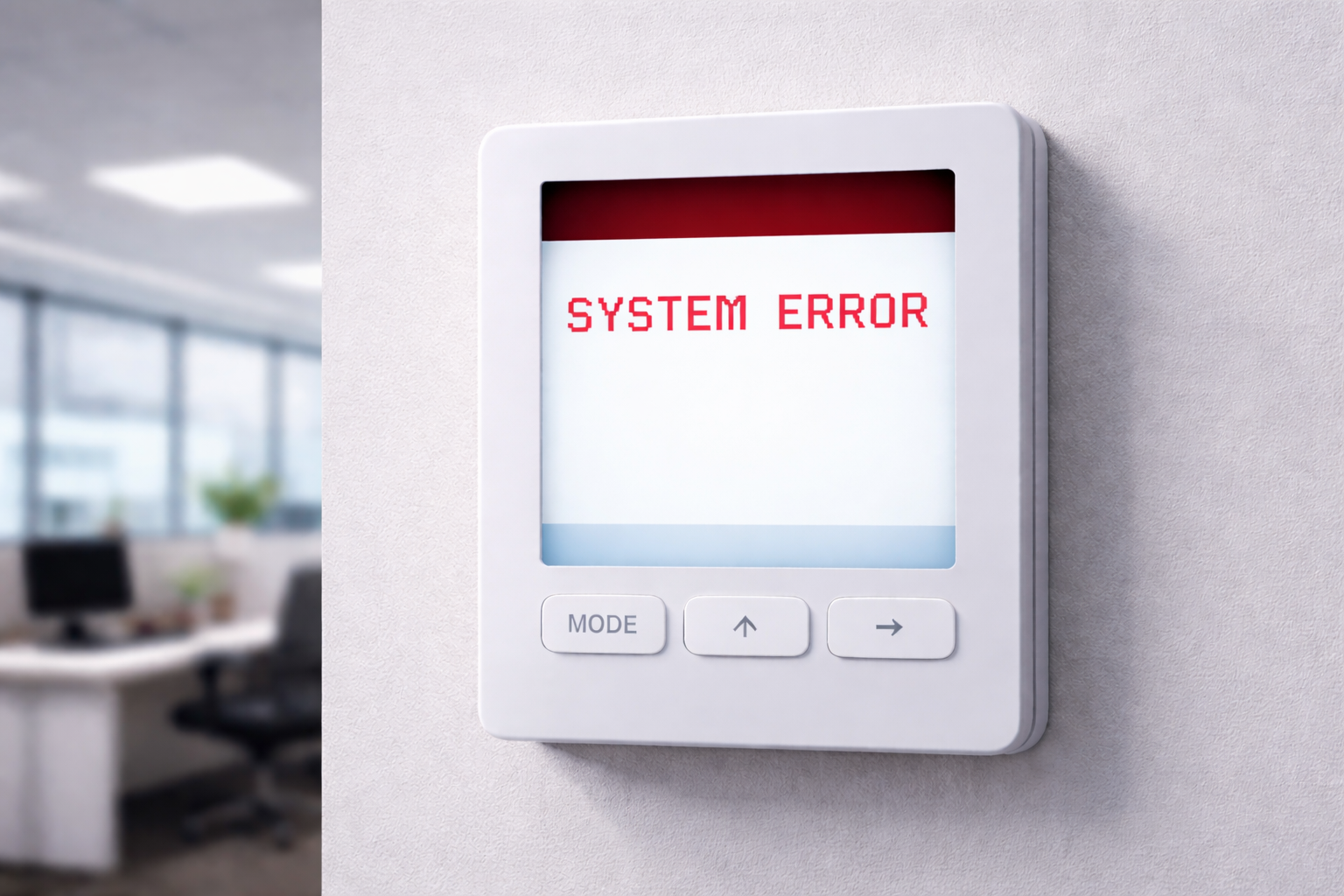
Few situations create panic faster than losing heat during the coldest part of winter. Whether it happens overnight, during a holiday weekend, or in the middle of a workday, an emergency heating failure can put people, property and heating equipment at risk. Knowing what to do in the first moments after the heat goes out can make a significant difference in preventing damage and keeping occupants safe.
This guide walks through practical steps to take before a technician arrives, whether you are a homeowner, property manager, or business owner.
- Call an expert service provider, like Stafford Mechanical Services, to notify them of the issue and place a request for service.
- Check thermostats to ensure they are set to heat and the temperature is set higher than the current indoor reading.
- Replace thermostat batteries if applicable.
- In commercial spaces, confirm that scheduling controls or building automation systems have not overridden heating settings.
Next, check circuit breakers and electrical panels.
A tripped breaker can shut down furnaces, boilers, heat pumps, or control boards. If the breaker is tripped, attempt to resent one time but do not continue resetting if it trips again. For systems that use fuel, confirm the gas supply or oil level. A low oil tank or interrupted gas service can cause shutdowns that mimic equipment failure. If these basic checks do not restore heat, it is time to treat the situation as an emergency heating failure.
Protect plumbing immediately
One of the biggest risks during a heating failure is frozen pipes. When indoor temperatures drop, pipes located near exterior walls, crawl spaces, and unheated areas are especially vulnerable.
- Let faucets drip slightly to keep water moving through the pipes.
- Open cabinet doors under sinks to allow warmer air to circulate around plumbing. In commercial buildings, check restrooms, mechanical rooms, and lesser-used spaces where pipes may freeze first.
- If the building will be unoccupied for an extended period, consider shutting off the main water supply to reduce the risk of burst pipes.
Avoid using unsafe heat sources
During an emergency, it can be tempting to use space heaters, ovens, or improvised heat sources. This is where caution is critical.
- Portable space heaters should only be used if they are designed for indoor use and placed well away from flammable materials. Never leave them unattended.
- Do not use ovens, grills, or propane heaters indoors, as they pose serious fire and carbon monoxide risks.
- In commercial settings, unauthorized temporary heating devices can violate safety policies and insurance requirements.
Monitor indoor temperature
Track indoor temperatures throughout the building, especially in vulnerable areas.
- If temperatures approach freezing, additional protective measures may be needed. This is particularly important for commercial buildings with sprinkler systems, server rooms, medical spaces, or sensitive equipment.
- Documenting temperature changes can also be helpful information to share with your HVAC technician when they arrive.
Check for obvious system clues
Without attempting repairs yourself, you can look for visible signs that help identify the issue. Listen for unusual noises from the furnace or boiler.
- Check for error codes on control panels. Look for leaks around boilers or water heaters. In some cases, a frozen condensate line or blocked intake vent may be visible.
- Do not attempt to disassemble equipment or bypass safety controls. Modern heating systems are designed to shut down for a reason and forcing them to operate can cause further damage.
Communicate with occupants
In commercial buildings or multi-family properties, clear communication is essential.
- Notify tenants or occupants that the heating system is down and that service has been requested.
- Provide guidance on temporary steps such as closing blinds, limiting door openings, and reporting cold areas.
Clear communication reduces confusion and helps prevent unsafe actions taken out of frustration or uncertainty.
Prepare for the technician visit
Once service has been scheduled, gather relevant information.
- Know the system type, approximate age, recent maintenance history, and any symptoms observed.
- If the building has multiple zones or systems, attempt to identify which areas are affected.
Ensure access to mechanical rooms and clear any obstacles around equipment. This helps technicians diagnose and restore heat more efficiently.
Why preparation matters
Emergency heating failures are stressful but a calm, informed response can significantly reduce damage and downtime. Frozen pipes, water damage, and secondary system failures often cause more disruption than the original heating issue. Taking the right steps early helps protect both people and property.
If you are dealing with an emergency heating failure or want to prepare your system before winter’s coldest days, Stafford Mechanical Services is available to help. Our team works with both residential and commercial clients to restore heat safely and efficiently when it matters most. Contact us today.
Latest News
Mass Save Heat Pump Program: Rebates That Could Save You Thousands
Understanding the Mass Save Heat Pump Program The Mass Save heat pump program offers valuable rebates and incentives designed to make energy-efficient heating and cooling…
Spring HVAC Maintenance: Why Commercial Properties Should Prepare Now
Why Spring HVAC Maintenance Matters for Commercial Buildings Spring HVAC maintenance is one of the most important steps commercial property owners and facility managers can…
Commercial Heating Repair in CT: A Guide for Property Owners and Facility Managers
Commercial heating repair in CT becomes a top priority when freezing temperatures hit. If your building loses heat, commercial heating repair in CT is not…