End-of-Summer AC Maintenance Checklist
August 27, 2026
Knowledge share by
Collin Hickox
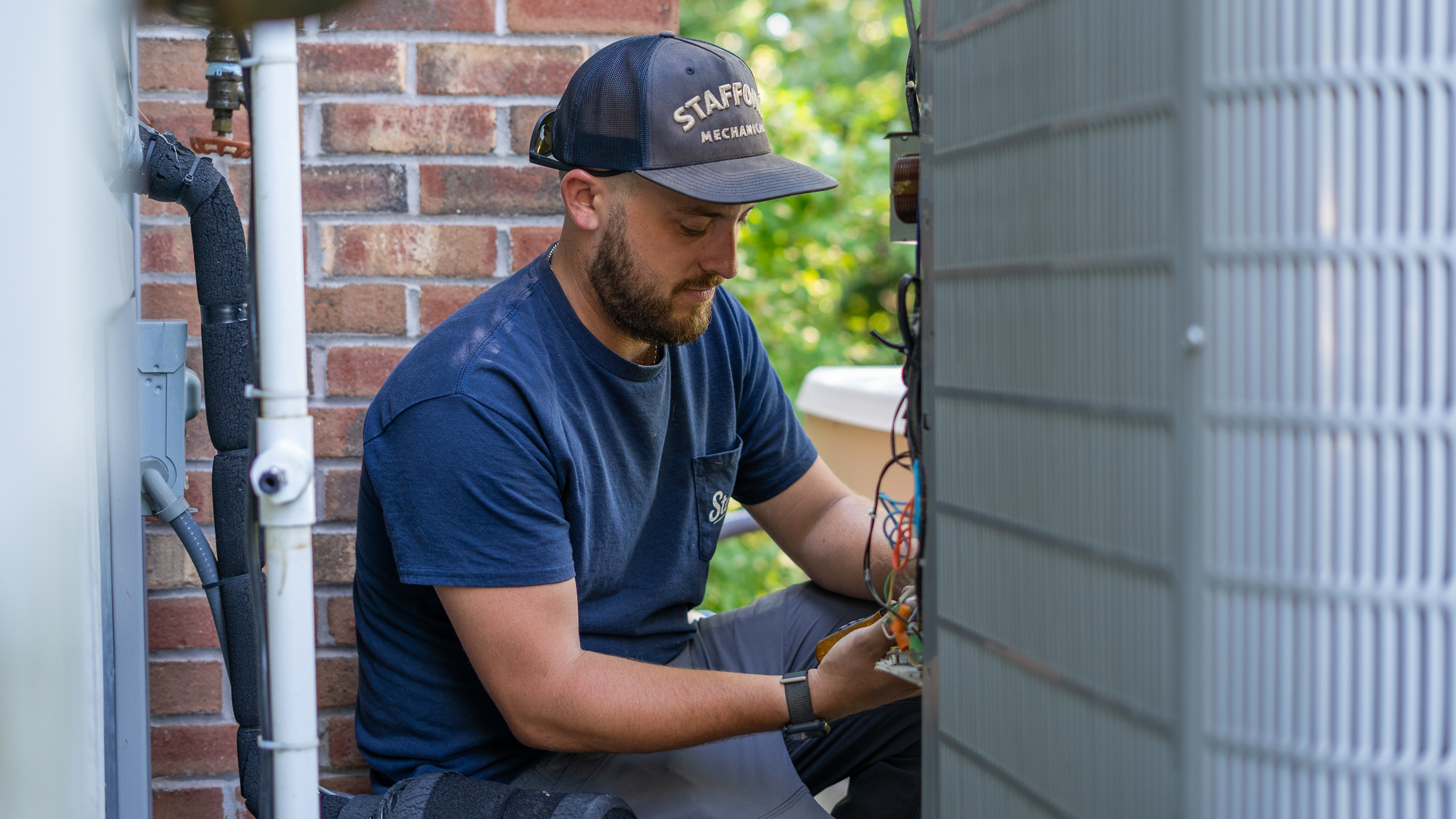
End-of-summer AC maintenance gives homeowners an opportunity to check their cooling systems after months of demanding work. Even if your air conditioner made it through the hottest days without breaking down, extended operation can leave behind dirty components, drainage problems and developing mechanical issues.
A late-summer inspection can improve performance through the remaining warm weather and prepare the system for a smooth shutdown. It may also prevent an unpleasant surprise when you turn the air conditioner on next year.
Why End-of-Summer AC Maintenance Matters
Air conditioners often run for long cycles during July and August. Heat, humidity, dust and airborne debris can all increase the strain on system components.
By the end of summer, your system may have:
- A dirty or clogged air filter
- Dust collecting on indoor components
- Leaves or vegetation blocking the outdoor unit
- A partially clogged condensate drain
- Loose electrical connections
- Worn moving parts
- Reduced airflow
- Unusual noises or odors
Some problems cause obvious performance changes. Others remain hidden until they lead to higher energy bills, water damage or a system failure.
End-of-Summer AC Maintenance Checklist
Homeowners can perform several basic checks without opening equipment panels or handling electrical components. Leave internal cleaning, electrical testing and refrigerant work to a trained HVAC professional.
Check and Replace the Air Filter
Inspect the HVAC filter even if you replaced it earlier in the summer. Heavy cooling use, renovation dust, pets and open windows can cause filters to become dirty faster than expected.
Replace the filter if it appears clogged or if it has reached the manufacturer’s recommended service interval. A clean filter supports airflow and helps prevent dust from collecting inside the system.
Use the correct filter size and avoid automatically choosing the most restrictive option. A filter that your system cannot accommodate may reduce airflow and increase equipment strain.
Inspect Your Supply and Return Vents
Walk through the home and check each supply register and return vent. Furniture, rugs, curtains and stored items can accidentally block airflow.
Make sure the vents remain open and unobstructed. Closing too many registers will not necessarily reduce energy use and may interfere with the system’s intended airflow.
If one room feels noticeably warmer than the others, make a note of it. Uneven cooling can indicate a ductwork problem, airflow restriction or system performance issue.
Clear Debris Around the Outdoor Unit
Leaves, grass clippings, weeds and shrubs can restrict airflow around the outdoor condenser. Turn the system off and remove loose debris from the immediate area without bending the delicate coil fins.
Maintain clear space around the unit and trim vegetation that has grown too close. Do not place covers, decorations or outdoor items on top of the equipment.
Avoid opening the cabinet or using high-pressure water on the coils. A professional can clean the unit properly without damaging its components.
Look for Condensate Drain Problems
Your air conditioner removes moisture from indoor air and sends the collected water through a condensate drain. Algae, dirt or debris can block that drain after a humid summer.
Check for water near the indoor equipment, stains around the drain pan or dampness in nearby areas. Musty odors may also indicate standing water or microbial growth.
A clogged condensate drain can cause water damage or trigger a safety switch that shuts down the system. Contact an HVAC professional if you see leakage or suspect a blockage.
Listen for Unusual Sounds
Pay attention to the system as it starts, runs and shuts down. New rattling, grinding, squealing, buzzing or banging sounds deserve professional attention.
A minor noise can point to a loose panel, worn bearing, electrical problem or failing motor. Scheduling service early may prevent the affected component from damaging other parts.
Watch for Changes in Cooling Performance
Your air conditioner should maintain a reasonably consistent indoor temperature. Long run times, weak airflow and frequent cycling may indicate that the system is struggling.
Also watch for:
- Rooms that no longer cool evenly
- Warm air coming from supply vents
- Frequent thermostat adjustments
- A sudden increase in electric use
- Ice on refrigerant lines or equipment
- The system turning on and off repeatedly
Do not ignore these symptoms simply because cooler weather is approaching. The underlying issue will likely remain when the next cooling season begins.
Review Your Summer Energy Bills
Compare recent electric bills with bills from similar periods last year, while accounting for rate changes and unusually hot weather. A significant increase may indicate that the system is operating less efficiently.
Dirty components, duct leakage, airflow restrictions and worn equipment can all increase cooling costs. An HVAC technician can evaluate system performance and identify issues that routine homeowner checks may miss.
When to Schedule Professional AC Maintenance
Homeowners should consider professional service when the system shows performance problems, produces unusual sounds or has not received maintenance within the past year. You should also schedule an inspection if the equipment required frequent thermostat adjustments to keep the home comfortable.
During a professional visit, an HVAC technician may:
- Inspect and clean key system components
- Check electrical connections
- Test system controls and safety devices
- Evaluate airflow
- Inspect the condensate drainage system
- Check refrigerant performance
- Look for visible signs of wear
- Measure overall cooling operation
The technician can explain which findings require attention now and which items homeowners can monitor. This information helps you plan repairs instead of waiting for an unexpected breakdown.
Should You Cover the Outdoor AC Unit?
A tightly sealed cover can trap moisture and encourage corrosion. It may also create a sheltered space for rodents, which can damage wiring or insulation.
Most outdoor units can withstand normal rain and snow. If falling leaves or debris create a concern, ask an HVAC professional whether a manufacturer-approved top cover makes sense for your equipment.
Never operate the air conditioner while it is covered. Remove any approved cover before starting the system again.
Plan Ahead If Your AC Is Nearing the End of Its Life
End-of-summer maintenance may reveal that an older air conditioner has declining efficiency, worn components or an expensive repair ahead. That does not always mean you need to replace it immediately.
Ask an HVAC professional to consider:
- The system’s age and condition
- Its repair history
- The cost of the recommended repair
- Current energy use
- Indoor comfort and humidity control
- Replacement equipment options
- Available rebates or incentives
Planning outside an emergency gives you more time to compare options and make an informed decision. It also reduces the likelihood that a breakdown will force you to replace the system during the next heat wave.
Finish the Cooling Season With Confidence
Your air conditioner may continue running well into September, so the end of August is not the time to ignore developing problems. A few careful checks can help maintain comfort through the remaining heat and protect the system during the off-season.
If your AC struggled this summer, leaked water, made unusual sounds or caused higher energy bills, Stafford Mechanical Services can help. Our experienced HVAC professionals can inspect your system, address maintenance needs and recommend practical next steps.
Contact Stafford Mechanical Services today to schedule end-of-summer AC maintenance today.
Latest News
Furnace Blowing Cold Air? 7 Things to Check
The thermostat says the heat is on, but the air coming from your vents feels cool. Before you assume the furnace needs replacing, a few…
Low Water Pressure? 7 Causes in CT & MA Homes
A shower that barely rinses the shampoo out is frustrating. When the kitchen faucet slows down too, it is time to find out whether the…
Hot Water Runs Out Fast? Fix the Morning Shower Shuffle
Hot water runs out fast when everyone needs a shower before school and work. The first person gets steam, the second gets lukewarm water and…