Sewer Backup After Heavy Rain? Here’s What to Do Next
August 27, 2026
Knowledge share by
Collin Hickox
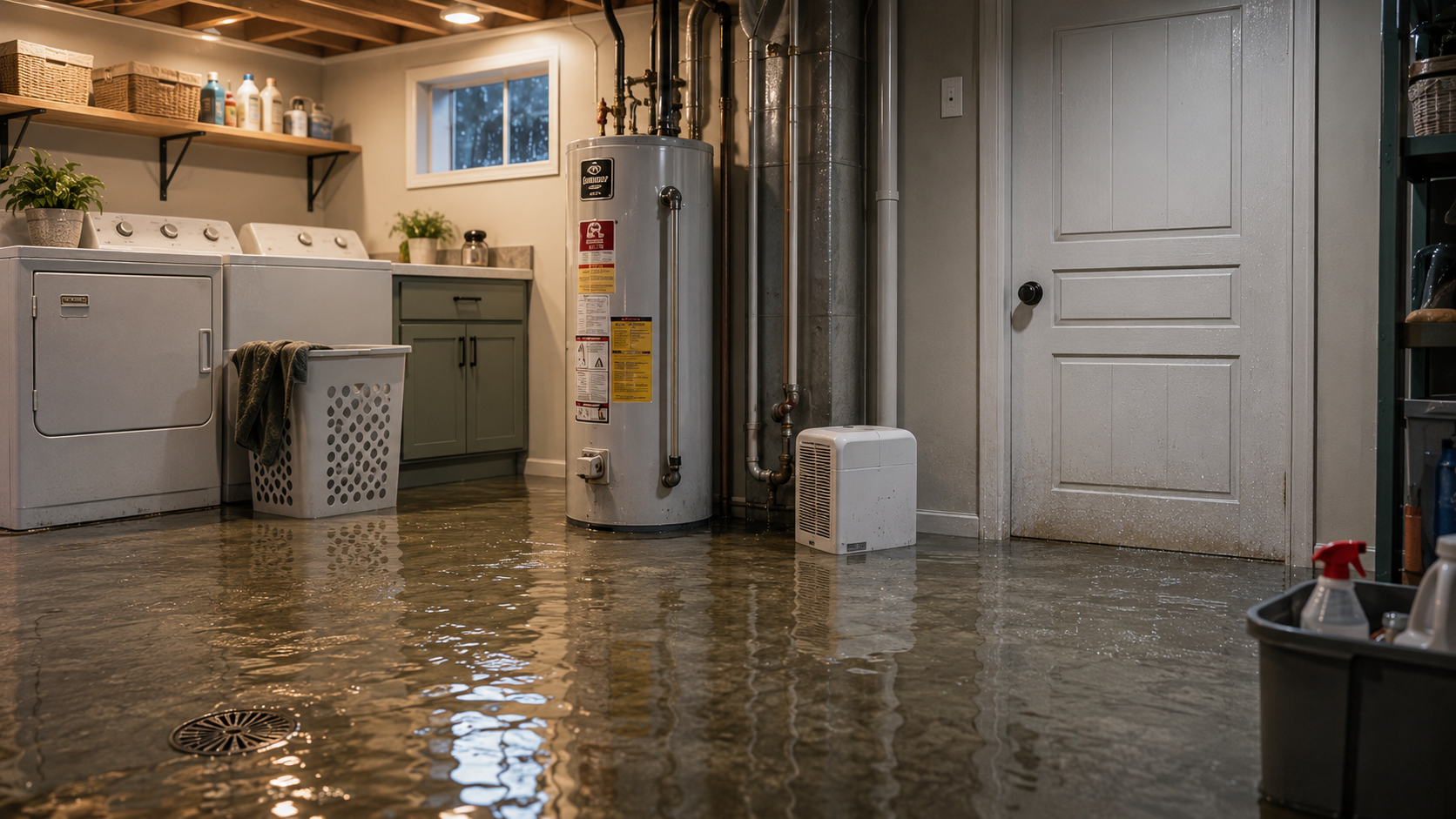
A sewer backup after heavy rain can quickly turn a wet-weather inconvenience into a serious property and health concern. When wastewater enters a basement, shower, sink or floor drain, homeowners need to act quickly while avoiding direct contact with contaminated water.
Heavy rainfall can overwhelm municipal sewer systems, saturate the ground around buried pipes and expose existing problems in a home’s drainage system. Knowing what to do next can help you limit damage and identify the source of the backup.
What Causes a Sewer Backup After Heavy Rain?
A sewer backup does not always mean something has gone wrong inside your home. During intense storms, several conditions can place additional pressure on private sewer lines and municipal infrastructure.
Common causes include:
- An overwhelmed municipal sewer system
- Tree roots growing into a sewer line
- Cracked, collapsed or deteriorated sewer pipes
- Grease, wipes or debris restricting the line
- Stormwater entering the sanitary sewer system
- A failed sump pump or drainage system
- A missing or malfunctioning sewer backwater valve
Older homes may face a greater risk because their sewer lines can contain aging cast iron, clay or Orangeburg pipe. However, newer homes can also experience backups when blockages or installation problems restrict drainage.
Why Heavy Rain Exposes Existing Plumbing Problems
A partially blocked sewer line may still drain during normal household use. Once heavy rain increases the volume of water entering the surrounding sewer system, that restricted pipe may no longer handle the flow.
Saturated soil can also shift or place pressure on underground pipes. If a sewer line already has a crack, weak joint or root intrusion, the storm may trigger a noticeable failure.
Warning Signs Before a Sewer Backup
A sewer backup often provides clues before wastewater enters the home. Recognizing these warning signs may give you time to call a plumber before the problem becomes more severe.
Watch for:
- Multiple drains emptying slowly at the same time
- Gurgling sounds from toilets, tubs or sinks
- Water rising in a shower when you flush a toilet
- Sewage odors near basement or floor drains
- Toilet water bubbling without being flushed
- Water collecting around a basement drain
- Recurring clogs that return after plunging
One slow sink usually points to a localized clog. When several fixtures experience problems at once, the blockage may be deeper within the home’s main sewer line.
What to Do During a Sewer Backup After Heavy Rain
Your first priorities should be personal safety and damage control. Sewage can contain bacteria, viruses, chemicals and other contaminants, so avoid treating the water like an ordinary plumbing leak.
Stop Using Water Inside the Home
Do not flush toilets, take showers, run faucets or use water-consuming appliances. Every gallon sent down a drain may add pressure to the blocked sewer line and force more wastewater into the house.
Turn off washing machines and dishwashers if you can do so safely. Ask everyone in the home to avoid using the plumbing until a professional evaluates the problem.
Keep People and Pets Away
Block access to affected rooms, especially for children and pets. Avoid walking through sewage unless you must leave the area for safety reasons.
Do not touch contaminated water with bare skin. If contact occurs, wash the affected area thoroughly with soap and clean water.
Avoid Electrical Hazards
Water and electricity create a potentially deadly combination. Do not enter a flooded area if the water has reached electrical outlets, appliances, extension cords or the electrical panel.
Contact emergency services or a qualified electrician if you cannot safely shut off power. Never stand in water while touching an electrical switch or device.
Call a Plumbing Professional
A plumber can determine whether the backup originates in your home’s sewer line, plumbing system or the municipal connection. Professional equipment can locate blockages, inspect damaged pipes and restore proper drainage.
Do not rely on repeated drain cleaner applications. Chemical cleaners may fail to reach a main-line blockage and can create additional hazards for anyone working on the pipe.
Document the Damage
Take photographs and videos from a safe distance before cleanup begins. Document affected flooring, walls, furniture and personal property for your insurance records.
Contact your insurance carrier promptly. Standard homeowners policies may not automatically include sewer backup coverage, so ask about the specific protection included in your policy.
How Plumbers Diagnose Sewer Backup Problems
The right repair depends on what caused the backup. A professional plumber may begin by checking accessible drains, cleanouts and plumbing fixtures to determine where the flow stops.
Sewer Camera Inspection
A sewer camera allows the plumber to view the inside of the pipe. It can reveal tree roots, heavy buildup, separated joints, cracks, corrosion or collapsed sections.
Camera inspections help remove guesswork from the repair process. They also show whether clearing the line solved the entire problem or uncovered structural damage.
Drain and Sewer Line Clearing
Plumbers may use professional cable equipment or hydro jetting to remove certain obstructions. The appropriate method depends on the pipe’s material, condition and type of blockage.
Clearing the line can restore flow, but recurring backups may point to a damaged pipe that needs repair. A professional should evaluate the line before using high-pressure cleaning on older or weakened materials.
How to Reduce the Risk of Another Backup
Not every severe storm is preventable, but homeowners can reduce the chances that a vulnerable plumbing system will fail.
Helpful preventive steps include:
- Schedule an inspection if your home has recurring drain problems
- Keep grease, wipes and hygiene products out of drains and toilets
- Repair cracked or root-damaged sewer lines
- Test sump pumps before periods of heavy rain
- Keep gutters and exterior drainage directed away from the foundation
- Ask whether a sewer backwater valve suits your plumbing system
- Avoid connecting sump pumps to sanitary sewer lines where prohibited
A backwater valve can help prevent wastewater from reversing direction into a home. Because installation requirements depend on the property and local plumbing codes, homeowners should consult a licensed professional.
Do Not Wait for the Next Storm
A drain that returns to normal after the rain stops may still have an unresolved problem. Lower water levels can reduce pressure temporarily without removing tree roots, pipe damage or buildup inside the line.
Treat a previous backup as a warning. Finding and correcting the cause before the next major storm can help protect your home from contaminated water and expensive property damage.
Contact Stafford Mechanical Services for Plumbing Help
If you experience a sewer backup, recurring drain problems or warning signs after heavy rain, contact Stafford Mechanical Services. Our plumbing professionals can assess the problem, identify the source and recommend the right solution for your home.
Do not wait for the next storm to reveal a larger issue. Contact Stafford Mechanical Services today to schedule a plumbing inspection or request assistance.
Latest News
Furnace Blowing Cold Air? 7 Things to Check
The thermostat says the heat is on, but the air coming from your vents feels cool. Before you assume the furnace needs replacing, a few…
Low Water Pressure? 7 Causes in CT & MA Homes
A shower that barely rinses the shampoo out is frustrating. When the kitchen faucet slows down too, it is time to find out whether the…
Hot Water Runs Out Fast? Fix the Morning Shower Shuffle
Hot water runs out fast when everyone needs a shower before school and work. The first person gets steam, the second gets lukewarm water and…