Commercial Building Heat Loss in the Winter and How to Fix It
December 31, 2025
Knowledge share by
Collin Hickox
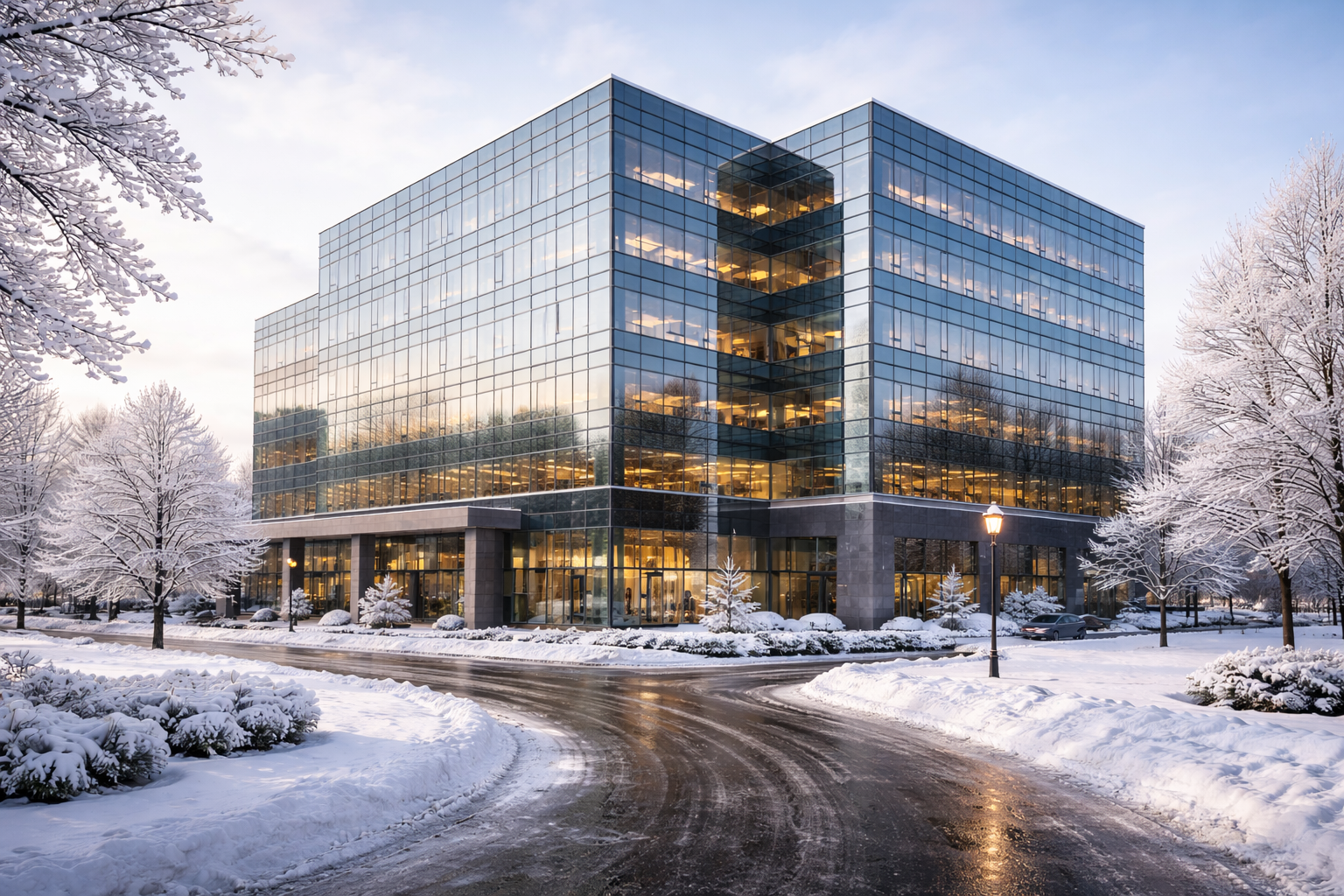
Many property owners and facility managers notice the same pattern every winter. Heating systems seem to run nonstop yet indoor temperatures feel inconsistent and energy bills climb rapidly. Commercial building heat loss is a common issue during cold weather and it often has less to do with the heating equipment itself than with how the building holds and distributes heat.
Understanding why commercial buildings lose heat faster in winter is the first step toward fixing the problem and improving comfort and efficiency.
Larger structures mean more exposure
Commercial buildings typically have a much larger surface area than residential homes. More exterior walls, higher ceilings, loading docks, and roof space all create additional opportunities for heat to escape. Even well-sized HVAC systems can struggle when the building envelope allows heat to leak out faster than it can be replaced.
Warehouses, office buildings, retail spaces, and industrial facilities each face unique challenges depending on layout and usage patterns.
Aging building issues
Many commercial buildings were constructed decades ago using insulation and materials that no longer meet modern efficiency standards. Over time, insulation settles, gaps form, seals deteriorate, and thermal performance declines.
Drafty windows, worn door seals, and uninsulated walls allow cold air infiltration and heat loss that steadily undermines heating performance. These issues are often hidden until winter temperatures expose them.
High ceilings and stratification
Heat naturally rises, which creates a major challenge in buildings with high ceilings. Warm air collects near the ceiling while occupied spaces below remain cool. This phenomenon, known as stratification, forces heating systems to work harder without delivering consistent comfort.
In spaces like warehouses, gyms, or manufacturing facilities, stratification can lead to significant energy waste unless addressed through proper air circulation or system design.
Frequent door usage
Commercial buildings experience constant door activity. Employees, customers, deliveries, and loading operations introduce cold outdoor air each time doors open. Large overhead doors and loading docks are particularly problematic during winter months.
Without proper air curtains, vestibules, or scheduling controls, this continuous air exchange can overwhelm heating systems.
Outdated or mismatched HVAC systems
In some buildings, heating systems were designed for earlier occupancy levels or usage patterns. Renovations, tenant changes, or added equipment can alter heating demands without corresponding system upgrades.
Controls may be outdated or improperly calibrated, causing systems to run inefficiently or fail to respond accurately to temperature changes throughout the building.
Ductwork and distribution losses
Heat loss does not only occur at the building exterior. Poorly sealed or insulated ductwork can leak significant amounts of heated air before it reaches occupied spaces. In larger buildings, long duct runs may amplify this issue.
Hydronic systems can also suffer from imbalanced flow or insulation issues that reduce heat delivery to certain zones.
How to fix commercial building heat loss
Addressing heat loss starts with identifying where it occurs. A professional assessment can evaluate insulation, air leakage, system performance, and distribution efficiency.
- Simple improvements such as sealing doors and windows, upgrading weather stripping, and insulating exposed piping can deliver noticeable gains.
- Adjusting controls and zoning strategies helps ensure heat is delivered where and when it is needed.
- In buildings with high ceilings, solutions such as destratification fans or improved air circulation can dramatically improve comfort while reducing energy use.
- For older systems, targeted upgrades or retrofits may provide better performance without requiring a full system replacement.
Why proactive action matters
Ignoring heat loss does more than increase energy bills. Cold spots can affect employee productivity, customer comfort, and sensitive equipment. Overworked heating systems experience more wear and higher failure risk during peak winter demand.
Addressing heat loss is not about overhauling everything at once. Strategic improvements often deliver strong returns in comfort, reliability, and operational cost control.
Regular preventive maintenance is essential to keeping HVAC systems operating efficiently and reliably. Scheduled inspections and adjustments help identify potential issues early – reducing the risk of unexpected failures and emergency repairs.
If winter heat loss is a concern for your commercial property, Stafford Mechanical Services is ready to help. As a trusted partner to property owners and managers, we evaluate your system, discuss tailored solutions, and deliver practical strategies for improved efficiency and dependable performance throughout the coldest months.
Contact us today to learn more about our maintenance contracts and how we can support you to keep you comfortable and your systems running efficiently year-round.
Latest News
End-of-Summer AC Maintenance Checklist
End-of-summer AC maintenance gives homeowners an opportunity to check their cooling systems after months of demanding work. Even if your air conditioner made it through…
Sewer Backup After Heavy Rain? Here’s What to Do Next
A sewer backup after heavy rain can quickly turn a wet-weather inconvenience into a serious property and health concern. When wastewater enters a basement, shower,…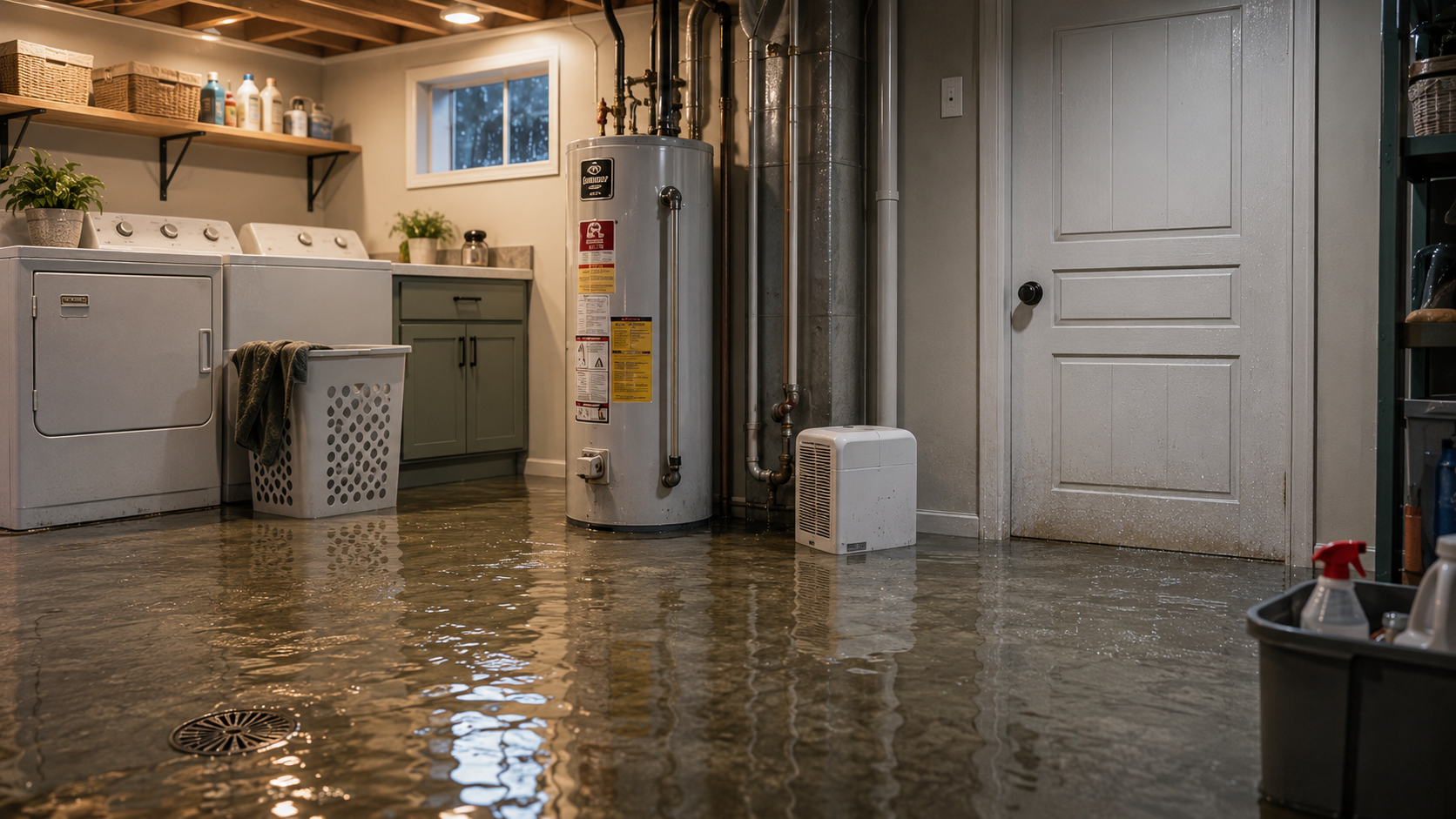
Why Is My Home Experiencing Low Water Pressure?
Low water pressure is one of the most common plumbing complaints homeowners experience. Whether you're taking a shower, washing dishes or filling a pot at…