How Aging Commercial Plumbing Systems Fail in Cold Weather
January 31, 2026
Knowledge share by
Collin Hickox
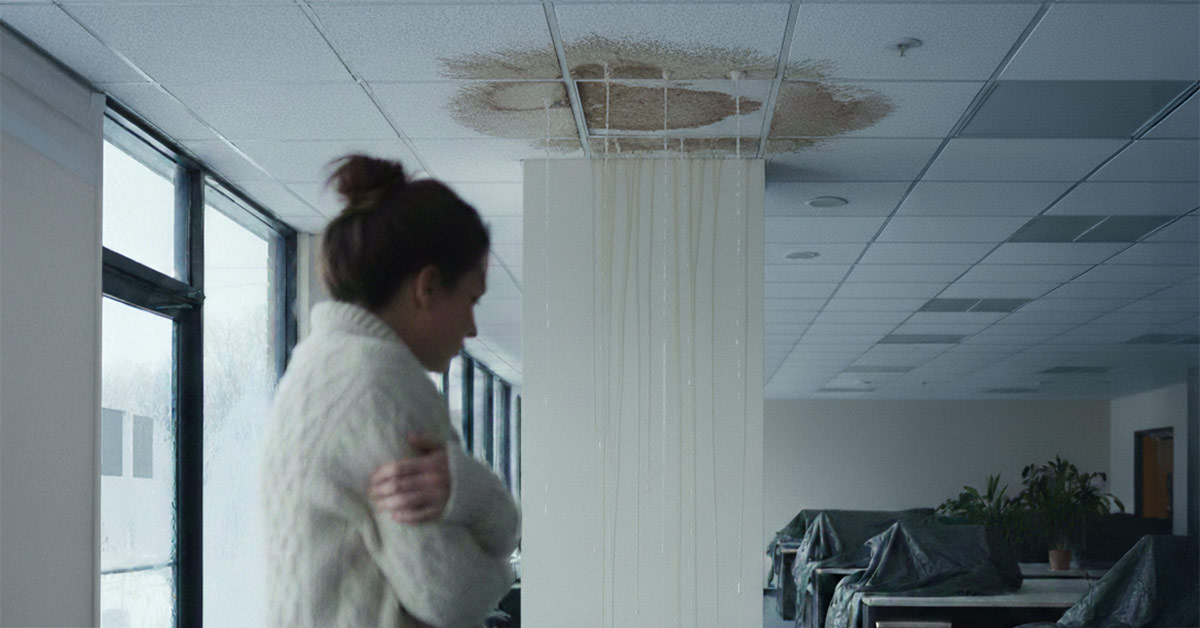
Cold weather is one of the most revealing stress tests for commercial plumbing systems. While many failures appear sudden, they are usually the result of long-developing weaknesses that become critical once temperatures drop.
For older commercial buildings, winter conditions amplify issues related to pipe age, material fatigue, insulation gaps, and deferred maintenance. Understanding how these systems fail and why cold weather accelerates those failures is key to reducing damage, downtime, and emergency repairs.
Aging Pipes Become More Brittle in Cold Temperatures
As plumbing systems age, pipe materials naturally degrade. Metal pipes corrode internally. Joints loosen. Plastic piping becomes less flexible over time. When temperatures drop, materials contract, increasing internal stress.
Cold weather reduces a pipe’s ability to absorb pressure fluctuations. Even normal water flow can create enough force to crack weakened sections. Once freezing conditions are introduced, expanding ice compounds the problem.
In older systems, failures often occur at joints, elbows, and connection points where stress concentrates.
Insulation Breakdowns Expose Vulnerable Sections
Many commercial buildings were insulated to standards that no longer reflect current use or occupancy patterns. Over time, insulation shifts, compresses, or deteriorates. Small gaps may go unnoticed until winter conditions arrive.
Pipes located near exterior walls, unheated spaces, loading docks, or ceiling voids are particularly vulnerable. Even brief exposure to cold air can lead to freezing in sections that appear protected on paper.
Aging insulation combined with aging piping creates a high-risk scenario once temperatures consistently fall below freezing.
Deferred Maintenance Shows Its Consequences in Winter
Commercial plumbing systems rarely fail at their strongest point. Failures occur where maintenance has been delayed or where small issues were considered low priority.
Minor leaks, corrosion, scale buildup, and pressure irregularities weaken systems over time. During warmer months, these issues may cause little disruption. In winter, they can trigger sudden failures.
Cold weather increases demand on plumbing systems as buildings compensate for heat loss and occupancy changes. That increased demand exposes weaknesses that might otherwise remain dormant.
Vacant and Low-Use Areas Increase Freeze Risk
Many commercial buildings contain spaces that are not continuously occupied. Vacant offices, unused wings, storage areas, and seasonal facilities often receive less attention during winter months.
Reduced water movement allows cold to settle in pipes more easily. Heating setbacks in low-use areas can drop temperatures below safe thresholds. Aging pipes in these conditions are especially prone to freezing and bursting.
Without regular monitoring, failures may go unnoticed until significant water damage has already occurred.
Older Valves and Shutoffs Fail When You Need Them Most
In an emergency, shutoff valves are critical. In older plumbing systems, these components may be corroded, seized, or unreliable. Cold weather increases the likelihood that valves will fail when activated, turning a manageable issue into a major incident.
Aging valves can also leak after being operated, creating secondary problems even after the initial issue is resolved.
Winter Failures Often Cascade Into Other Systems
Plumbing failures in winter rarely stay contained. Burst pipes can damage HVAC equipment, electrical systems, insulation, and finished spaces. Loss of water can affect heating systems that rely on hydronic loops or make-up water.
In commercial settings, this cascade can disrupt operations, displace tenants, and create safety concerns.
Reducing Risk Starts With Awareness and Planning
Preventing winter plumbing failures in aging systems does not typically require replacement. It starts with understanding where vulnerabilities exist.
Key risk-reduction steps include inspecting exposed piping, verifying insulation integrity, maintaining minimum building temperatures, exercising shutoff valves, and monitoring low-use areas during cold spells.
Most importantly, it requires acknowledging that aging systems behave differently under stress. Proactive planning is far less costly than emergency response.
Winter Is Not the Time for Guesswork
Cold weather exposes the true condition of commercial plumbing systems. For aging infrastructure, winter failures are often predictable, even if they seem sudden.
Facility managers who evaluate these risks are better positioned to protect their buildings, occupants, and budgets.
If you manage an older commercial property and want to identify winter plumbing risks before they become emergencies, Stafford Mechanical Services provides experienced, practical support to help commercial clients assess vulnerabilities and maintain system reliability through the coldest months of the year.
Latest News
End-of-Summer AC Maintenance Checklist
End-of-summer AC maintenance gives homeowners an opportunity to check their cooling systems after months of demanding work. Even if your air conditioner made it through…
Sewer Backup After Heavy Rain? Here’s What to Do Next
A sewer backup after heavy rain can quickly turn a wet-weather inconvenience into a serious property and health concern. When wastewater enters a basement, shower,…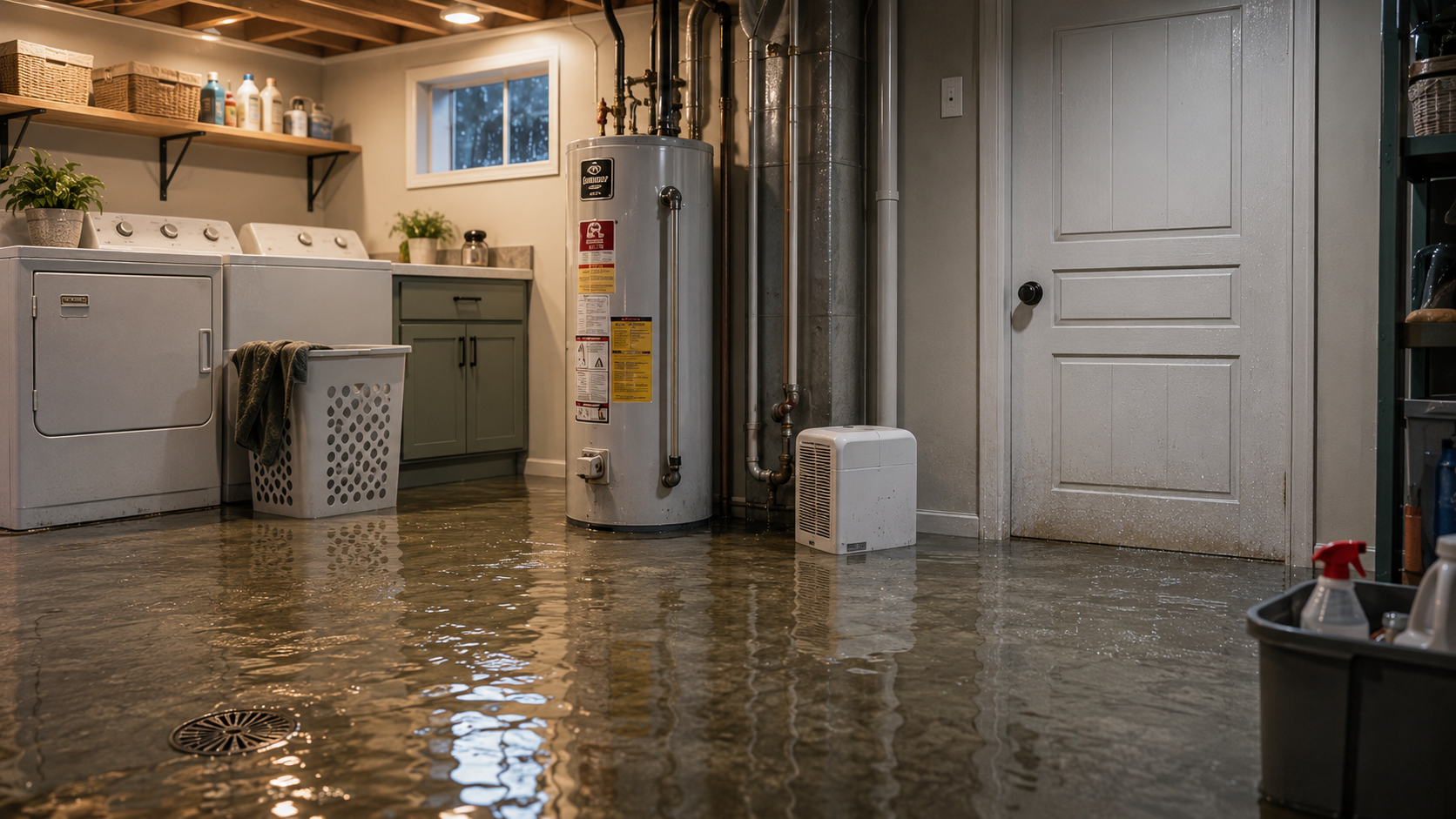
Why Is My Home Experiencing Low Water Pressure?
Low water pressure is one of the most common plumbing complaints homeowners experience. Whether you're taking a shower, washing dishes or filling a pot at…